
What is a crystal ?
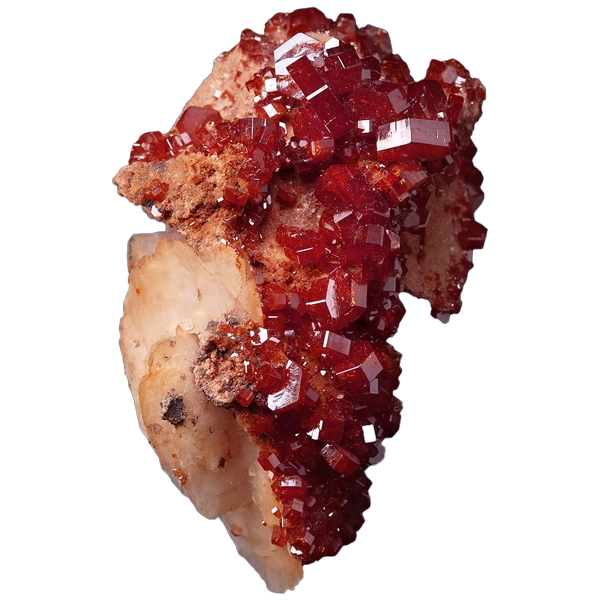
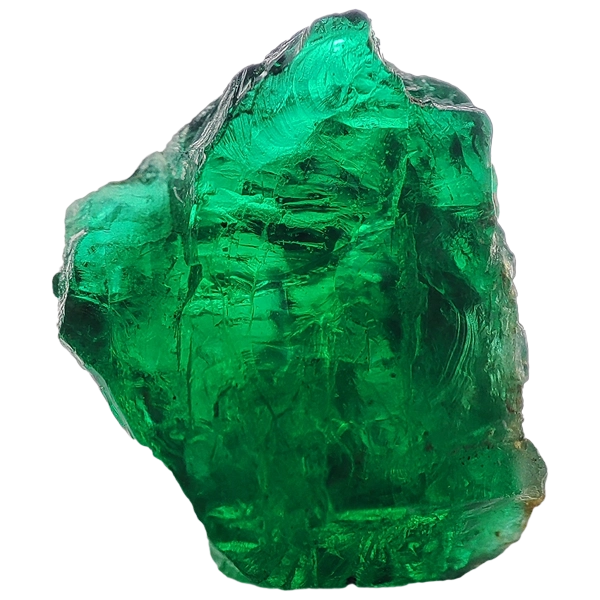
Crystals: Nature’s Hidden Wonders
We often associate crystals with sparkling jewelry or precious gemstones, but these fascinating structures are far more present in our daily lives than one might imagine. They can be found in mountain ranges, rock cavities, the objects we use every day, and even in animals and plants.
What is a Crystal?
A crystal is a solid structure in which atoms, ions, or molecules are arranged in a regular, ordered, and repeating pattern in space. This regular structure influences its physical properties, such as hardness, conductivity, and dispersion, and gives crystals their crystal shape.
Crystals in caves and mines
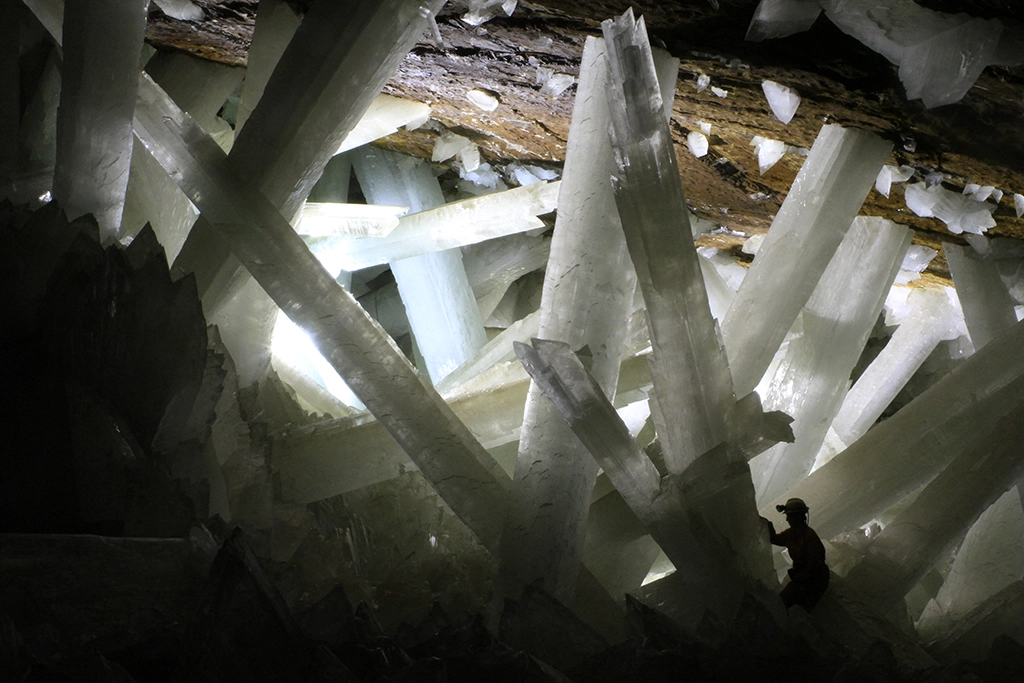
Some of the largest crystal formations ever discovered are found deep within the Earth. In Mexico, in the famous Naica Cave, enormous gypsum crystals can be seen, some measuring over 10 meters long. These underground giants formed under very specific conditions of heat, pressure, and humidity hundreds of thousands of years ago.
Crystals in food
Crystals are even found on our plates. Table salt, for example, is a mineral called halite, composed of sodium chloride. Its small cubic grains are easily visible to the naked eye. Sugar, too, forms crystals. If you let sugar water evaporate slowly, you’ll see translucent crystals form.
Crystals in technology
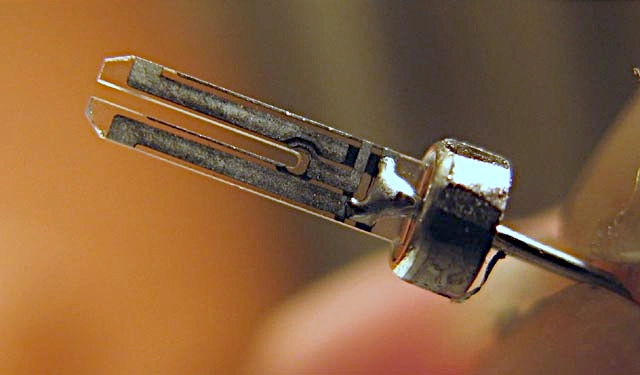
Crystals are not only beautiful, they are also useful. Quartz, the most common mineral on the continental shelf (~12%), is used in watches, computers, and cell phones thanks to its piezoelectric properties: when subjected to pressure, it produces a small electrical charge. This is what allows quartz watches to keep time with such precision.
Crystals in animals and plants
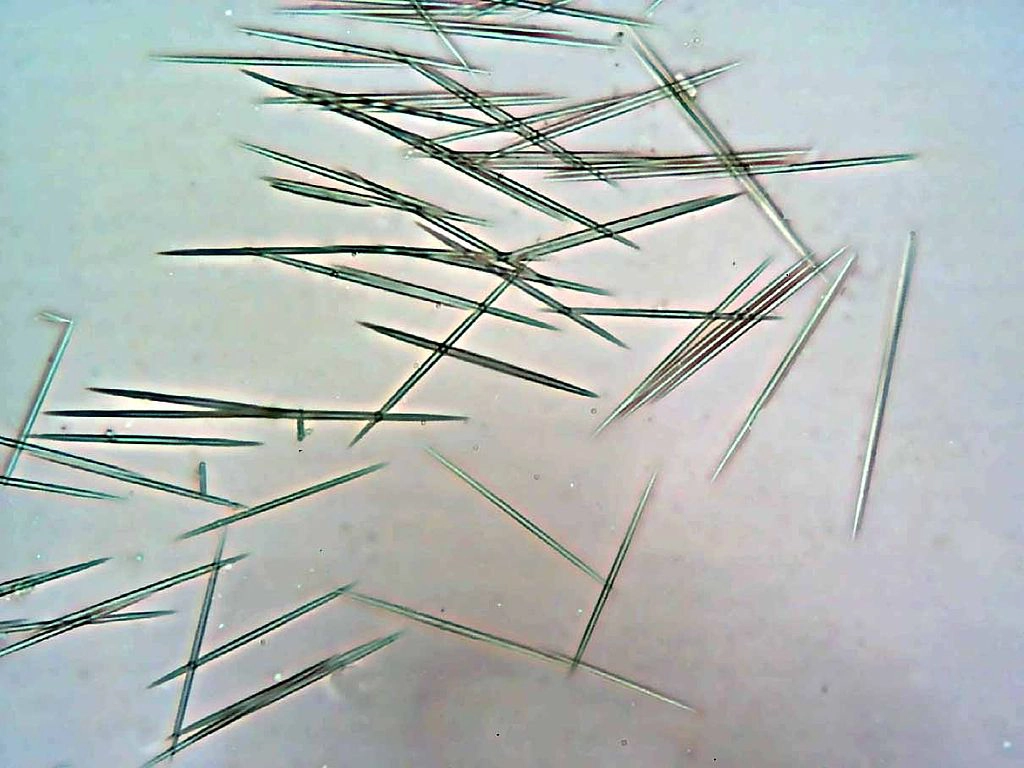
Some animals produce crystals themselves, as evidenced by bird eggshells. Composed of 95% calcium carbonate (CaCO₃), these shells are made up of crystalline cones called calcite, which are oriented outward, giving them remarkable strength. Certain plants produce calcium oxalate crystals in the form of fine needles called raphides, which protect the plant by irritating the tissues of herbivores that try to eat them.
Crystals in space
Crystals are not limited to Earth. Scientists have discovered that some stardust, recovered from meteorites or observed in interstellar clouds, is made up of crystalline minerals such as olivine or pyroxene. This shows that crystals form under the extreme conditions of the universe.
Summary
Crystals are much more than mere decorative objects. Their beauty hides a fascinating complexity, and their presence extends far beyond jewelry stores and shops. Whether found in a cave, a watch, food, or a distant star, crystals bear witness to the hidden order in matter and the ingenuity of nature.