What is a gem?
The gem: a treasure with many facets.
Since the dawn of time, humans have been fascinated by certain stones that sparkle, catch the eye, or evoke admiration. But what exactly is a gem? Behind this simple word lies a concept much more complex than one might think.
A stone not necessarily mineral.
Many people imagine that a gem is necessarily a mineral, a precious rock from the depths of the Earth. However, some gems are born elsewhere. The pearl, for example, is a natural wonder created inside shells, the result of a biological process. It thus escapes the classic definition of a mineral.
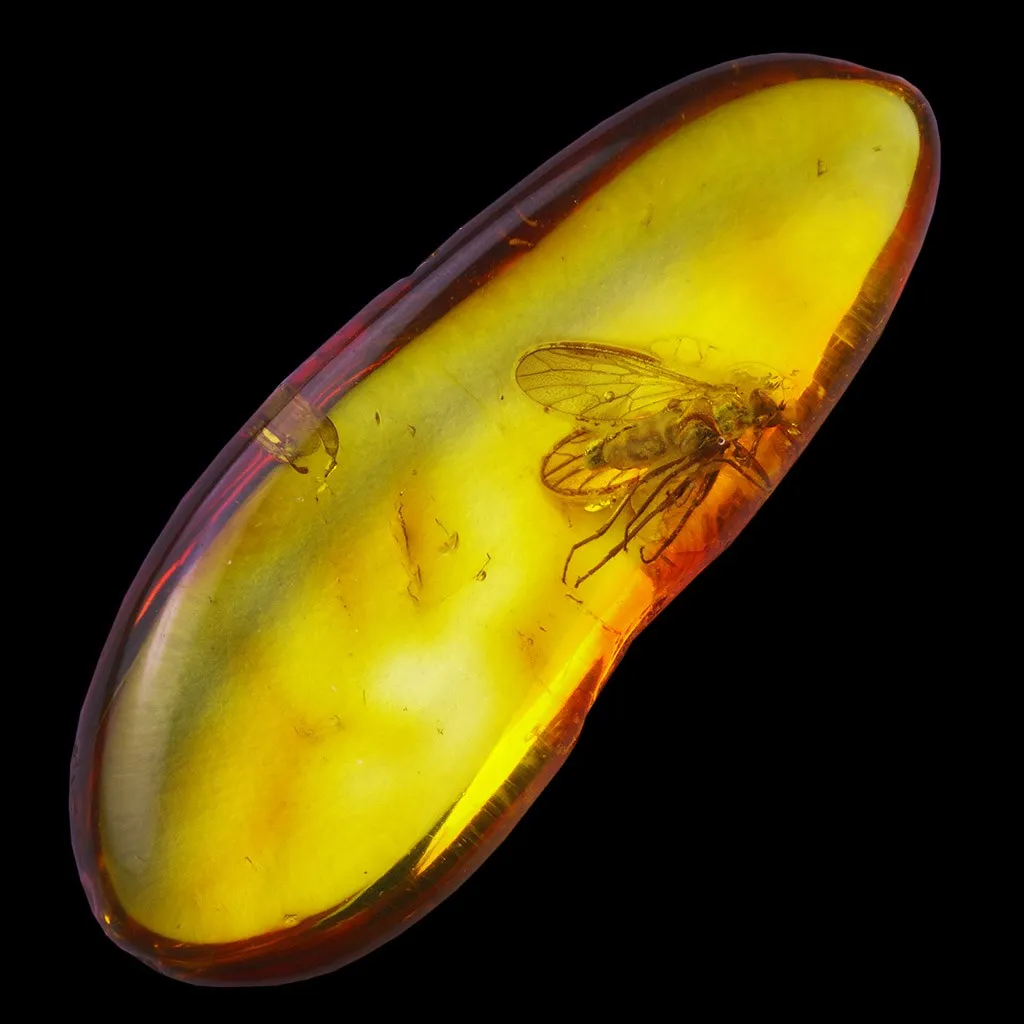
Others, like amber, are the result of the fossilization of plant resins, a ‘forest treasure’ that sometimes preserves insects trapped for millions of years.
Beauty, a subjective criterion.
The concept of a gem is often associated with radiant beauty. However, some materials with a more subtle charm also captivate. Bronzite, with its metallic reflections and warm hues, may seem dull to some, but hypnotize others. The beauty of a gem is not just about color or brilliance, but also the emotion it evokes.
Durability: a challenge for some gems.
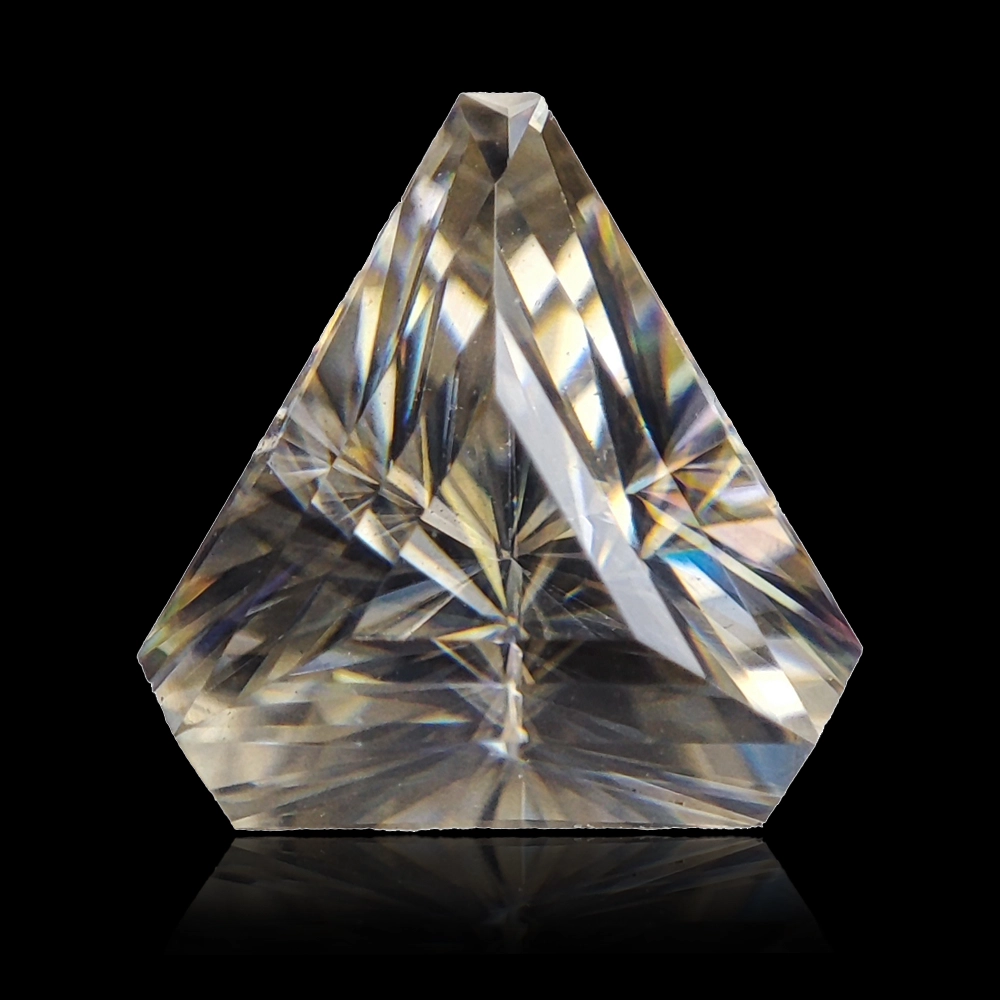
To be used in jewelry, a gem must withstand the wear of time and impacts. However, some fragile gems have managed to win over enthusiasts. Cerussite, with its intense brilliance and fiery flashes, is a spectacular stone but very fragile. It needs to be handled with care and cannot be used in jewelry, but it brings joy to collectors, as cutting it without damage is a true challenge. It is therefore a rare mineral in its cut form in the gem industry.
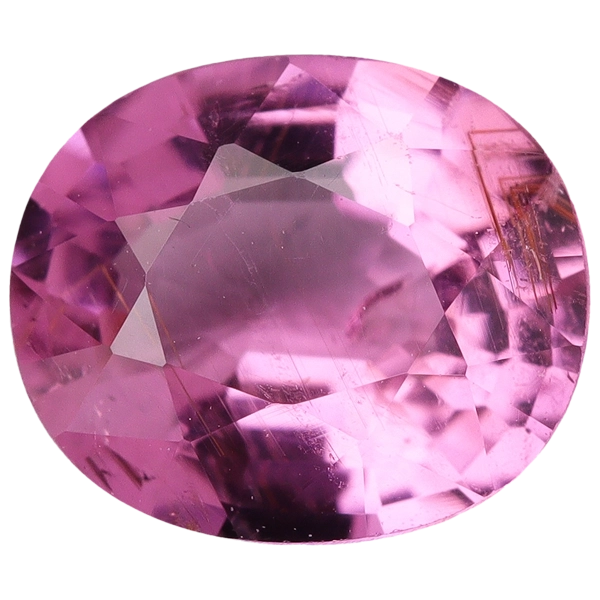
Cutting, a matter of time and taste.
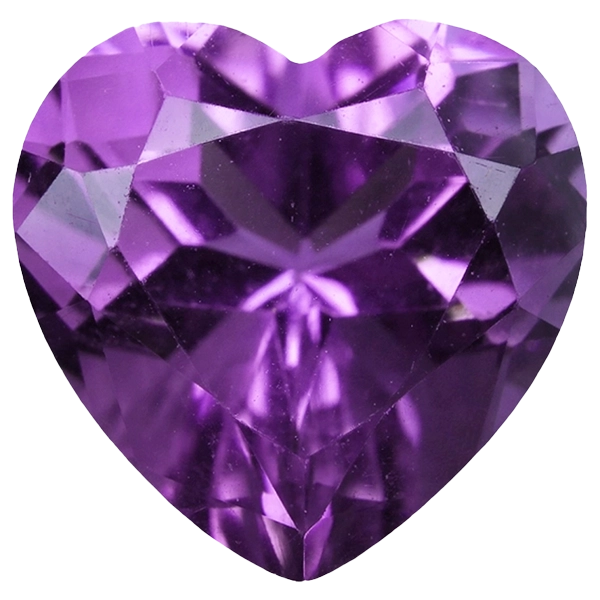
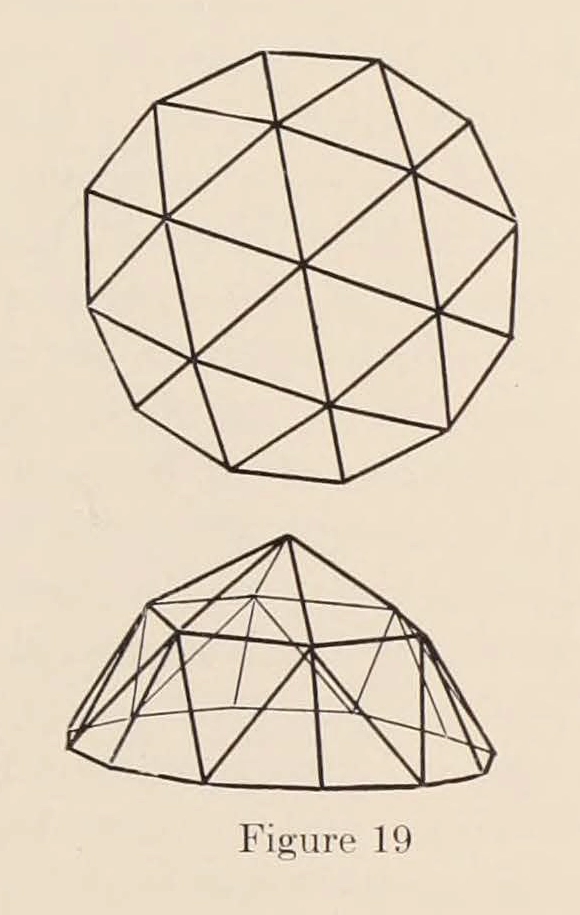
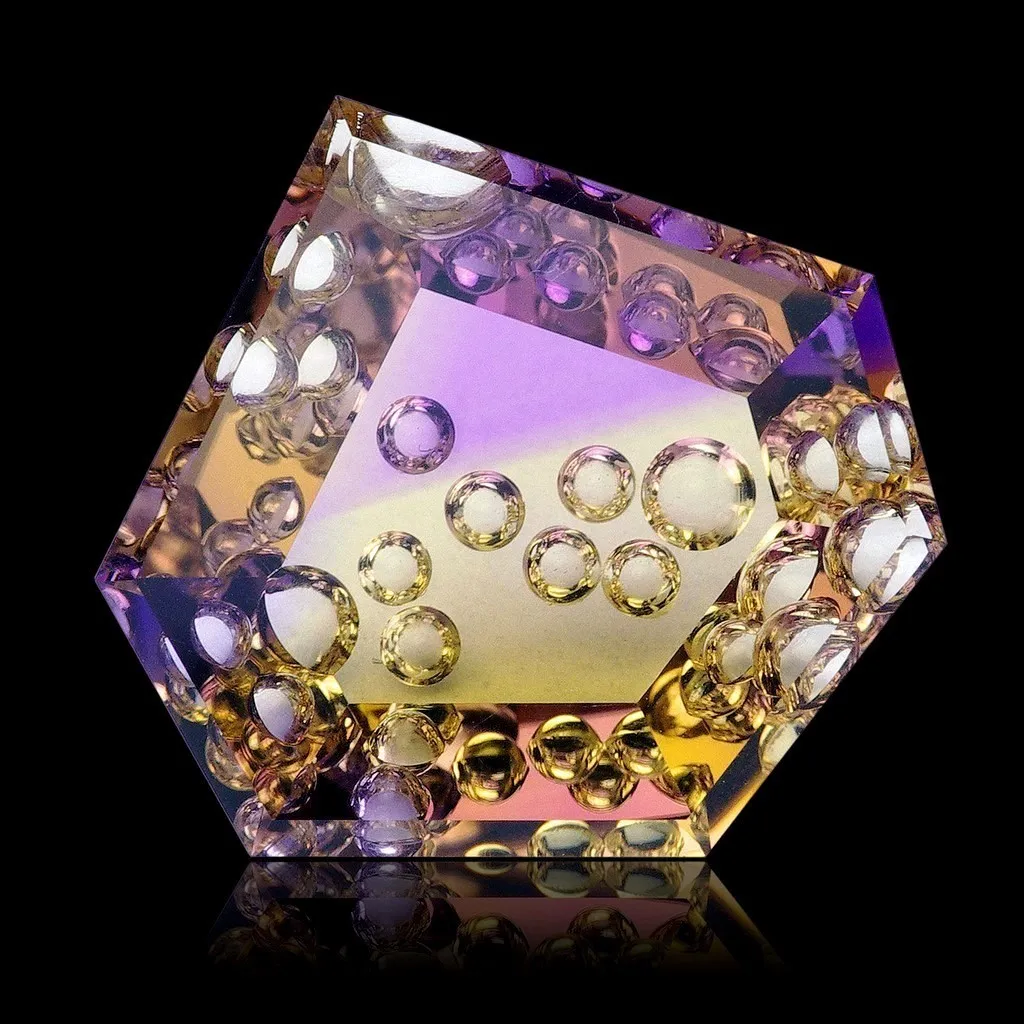
Today, both raw and cut stones are equally admired, but this has not always been the case. Cutting enhances the light and color of a gem, while some enthusiasts prefer the natural shape, considering it more authentic. This taste for the raw has even fueled interest in jewelry set with uncut stones. Ancient gems often feature traditional cuts, sometimes irregular, where the artisan’s primary concern was preserving the weight and precious material. These historical cuts, such as the rose cut, old European cuts, or antique cuts, are a testament to the craftsmanship of the past and the evolution of tastes through the centuries. In contrast, more recent periods have seen the rise of fancy cuts and a more frequent use of intaglio, where creativity takes precedence over the pursuit of pure brilliance. Thus, each era leaves its mark on gems, making cutting a true reflection of the artistic and technical trends of its time.
Worn or collected?
Not all gems are meant to be worn. Some stones, like stibnite or selenite, are too soft, degrade quickly, or can be toxic. These stones are more likely to fascinate collectors and researchers than jewelers.
Conclusion: What is a gem in gemology?
In gemology, a gem is a mineral stone, or sometimes of organic origin, that has been cut and possesses specific qualities such as durability, beauty, and rarity. These characteristics give it particular value and justify its preferred use in jewelry or collections. This definition allows for the precise identification and classification of gems, while recognizing that their appeal goes far beyond mere technical criteria
Natural and synthetic gems: an essential distinction.
There are also stones created by humans in laboratories: synthetic stones. They have the same chemical composition and physical properties as their natural counterparts, but they do not come from a natural geological or biological process. For this reason, they cannot be called ‘gems.’ In gemology, they are referred to as synthetic stones, not gems. This distinction is crucial to avoid confusion, especially in jewelry, where the origin of the stone greatly influences its value and rarity.
What the law says in France
In France, the trade of gem stones and pearls is regulated by Decree No. 2002-65 of January 14, 2002. This legislation aims to protect consumers and ensure transparent information about the products being sold.
The decree requires the use of precise terms to describe each type of product in the industry:
« – Gem stones formed in natural deposits;
– Synthetic stones, artificial stones, and imitations of gem stones;
– Organic materials of plant or animal origin, traditionally used in jewelry;
– Fine pearls;
– Cultured pearls;
– Imitations of fine pearls and cultured pearls,
regardless of their origin, source, and intended use. »
Excerpt from Article 1 : Décret n°2002-65 du 14 janvier 2002 relatif au commerce des pierres gemmes et des perles