
Sapphire: Complete Guide to Understanding, Choosing, and Buying a Gemstone
Introduction
The sapphire is among the most sought-after gemstones in the world. Renowned for its deep blue color, exceptional durability, and rarity, it holds a central place in high jewelry, collecting, and the investment gemstone market.
However, not all sapphires display the same level of quality.
In practice, the value of a sapphire is determined primarily by its color, followed by its clarity and the absence of treatment. Origin, weight, and cut are then considered in the evaluation, with sometimes significant variations depending on the market.
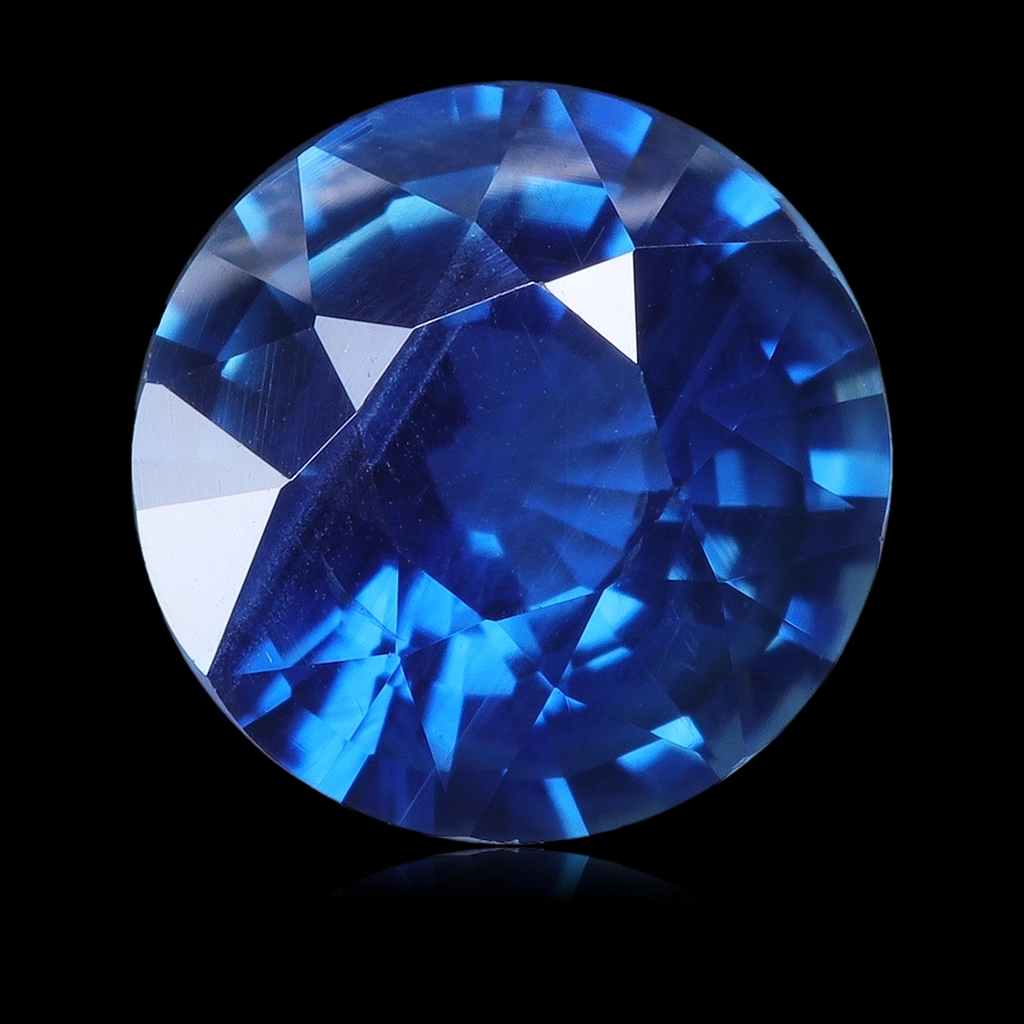
Between Kashmir sapphires, gemstones from Sri Lanka, unheated varieties, and the famous Padparadscha sapphires, the sapphire market encompasses very different realities.
Understanding these criteria is essential before purchasing a natural sapphire, whether for jewelry, collecting, or investment purposes.
In this complete guide, discover how to recognize a fine sapphire, which origins are the most renowned, what treatments exist, and which factors truly determine the quality and value of a gemstone.
Why Choose a Sapphire?
The sapphire possesses rare qualities that make it a premier choice in jewelry. Its hardness makes it one of the most resistant natural materials after diamond. This property gives it excellent durability, even for everyday wear.
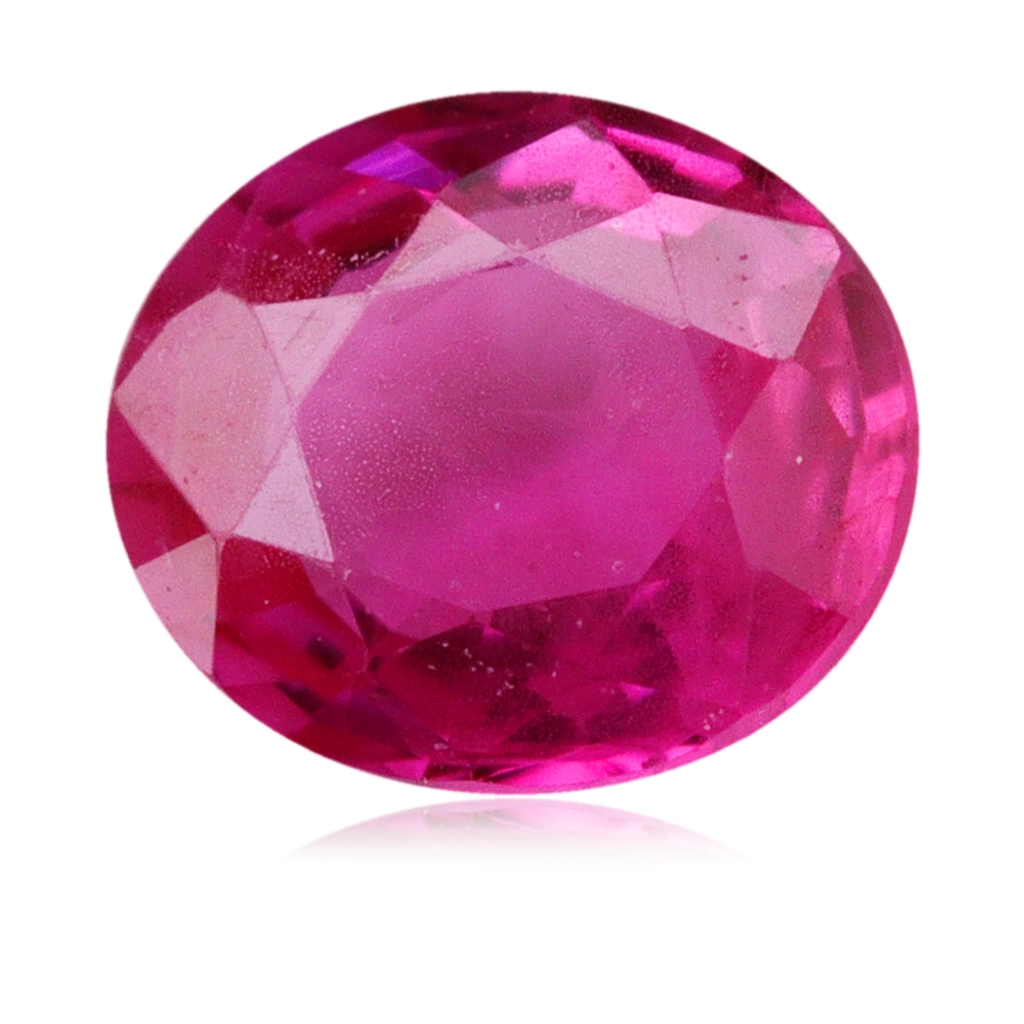
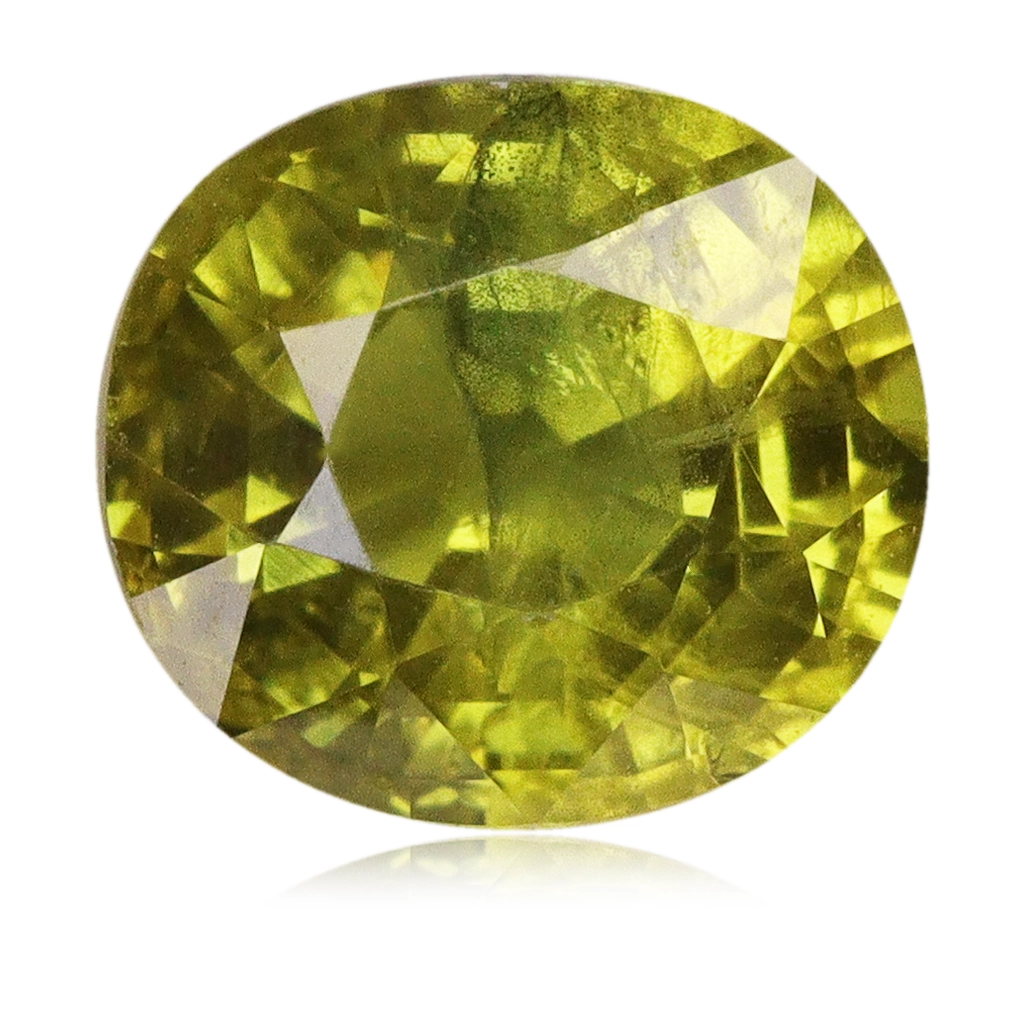
Beyond its strength, the sapphire captivates with its visual richness. Deep blue remains the ultimate reference, but enthusiasts can explore an extensive palette ranging from pink to yellow, green to violet, and even rare shades such as Padparadscha, a subtle blend of pink and orange.
The sapphire is also a gemstone accessible across different budget levels. There are both affordable gems and exceptional stones reaching very high values. This diversity allows everyone to find a sapphire suited to their project, whether for a custom piece of jewelry or a collector’s item.
Finally, its history, symbolism, and presence in major jewelry traditions make it a timeless gemstone with strong emotional value.
How to Choose a Sapphire?
Before purchasing a natural sapphire, it is recommended to evaluate several essential criteria:
- Color quality (the fundamental criterion),
- Intensity and saturation,
- Transparency of the stone,
- Any presence of treatments,
- Cut quality,
- Geographic origin,
- And the presence of a gemological certificate.
Unheated sapphires displaying intense color and good transparency remain the most sought-after on the high-end market.
Discover our natural sapphires
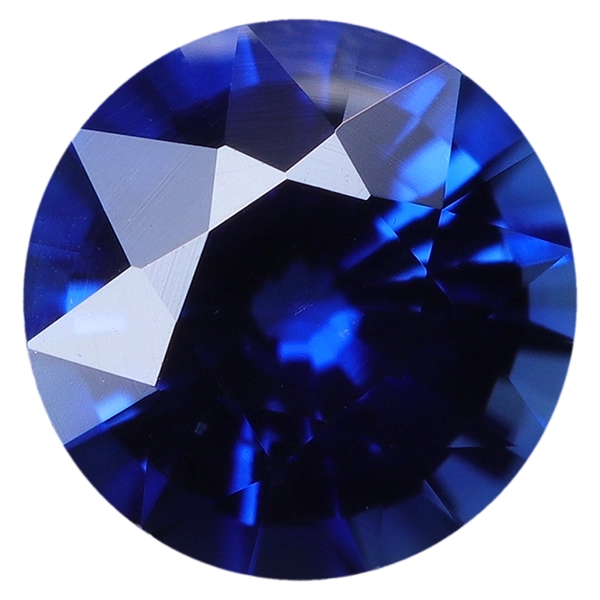
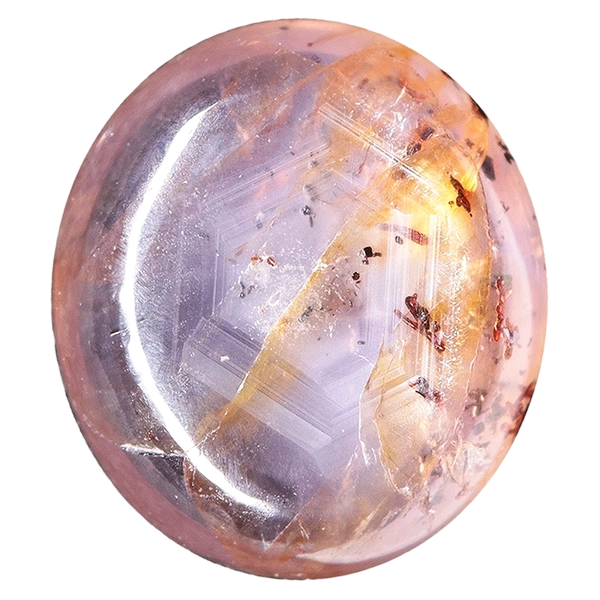
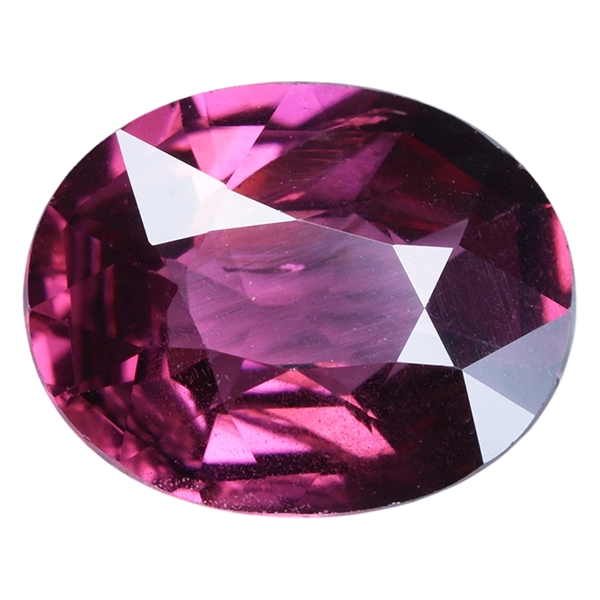
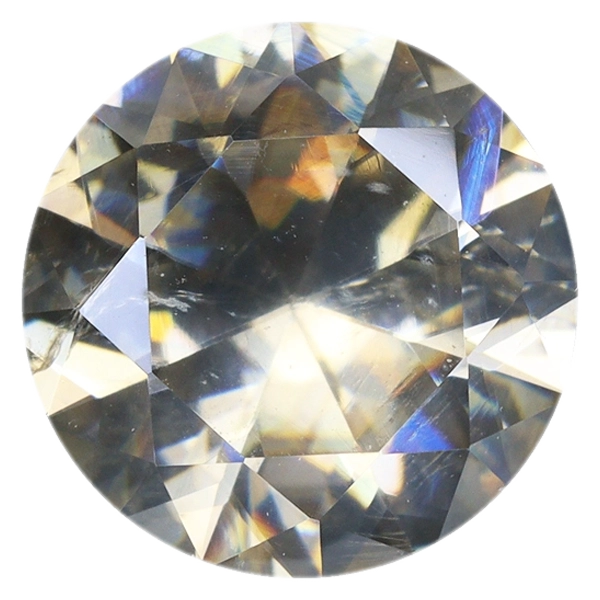
Properties of Sapphire (Chemical & Physical Characteristics)
Sapphire belongs to the oxide mineral class and has a simple chemical composition: Al₂O₃ (aluminium and oxygen). It belongs to the mineral species corundum, the same as ruby.
Its crystal structure is rhombohedral, which directly influences its optical properties.
Its high hardness (9 on the Mohs scale) is accompanied by a density ranging from 3.98 to 4.1. It exhibits a conchoidal to uneven fracture and excellent mechanical resistance, which explains its frequent use in jewelry.
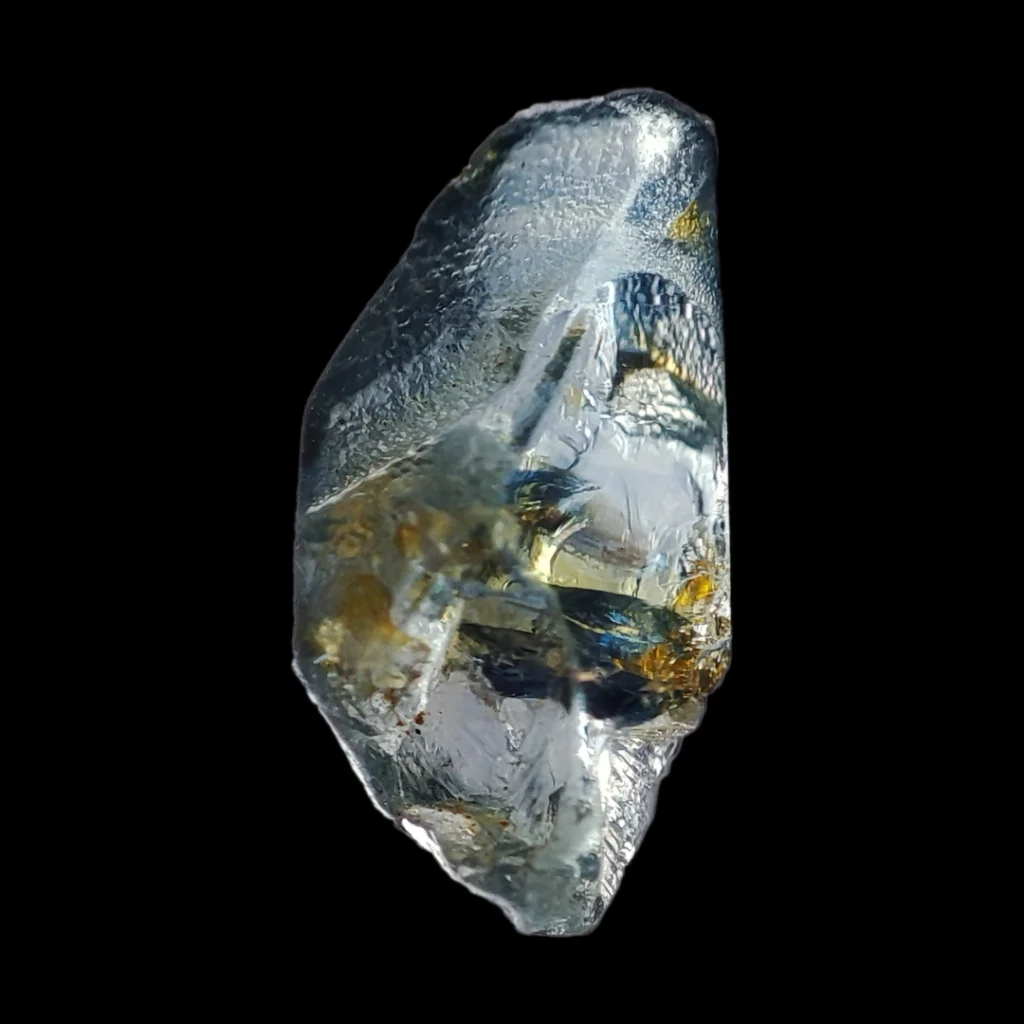
On the optical level, sapphire has a high refractive index (approximately 1.76 to 1.77) and a low but measurable birefringence. It is uniaxial negative and may exhibit pleochroism, meaning a variation in color depending on orientation. This property is essential for the lapidary, who must orient the stone optimally during cutting in order to achieve the best possible color.
Its transparency ranges from opaque to completely transparent, and its fluorescence is generally weak to variable. Sapphire is chemically stable, insoluble, and non-radioactive.
Sapphire colors
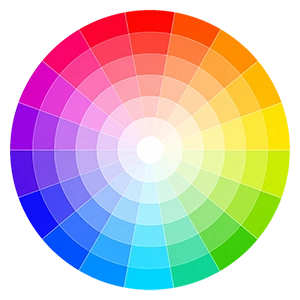
Color is the fundamental criterion in the evaluation of a sapphire. It is based on three essential parameters:
- hue,
- tone,
- saturation.
|
Color |
Rarity |
Value level |
|---|---|---|
|
Royal blue |
Very high |
Very high |
|
Padparadscha |
Exceptional |
Exceptional |
|
Intense pink |
High |
High |
|
Yellow |
Medium |
Variable |
|
Green |
More common |
More |
|
Purple |
Variable |
Variable |
Blue sapphires
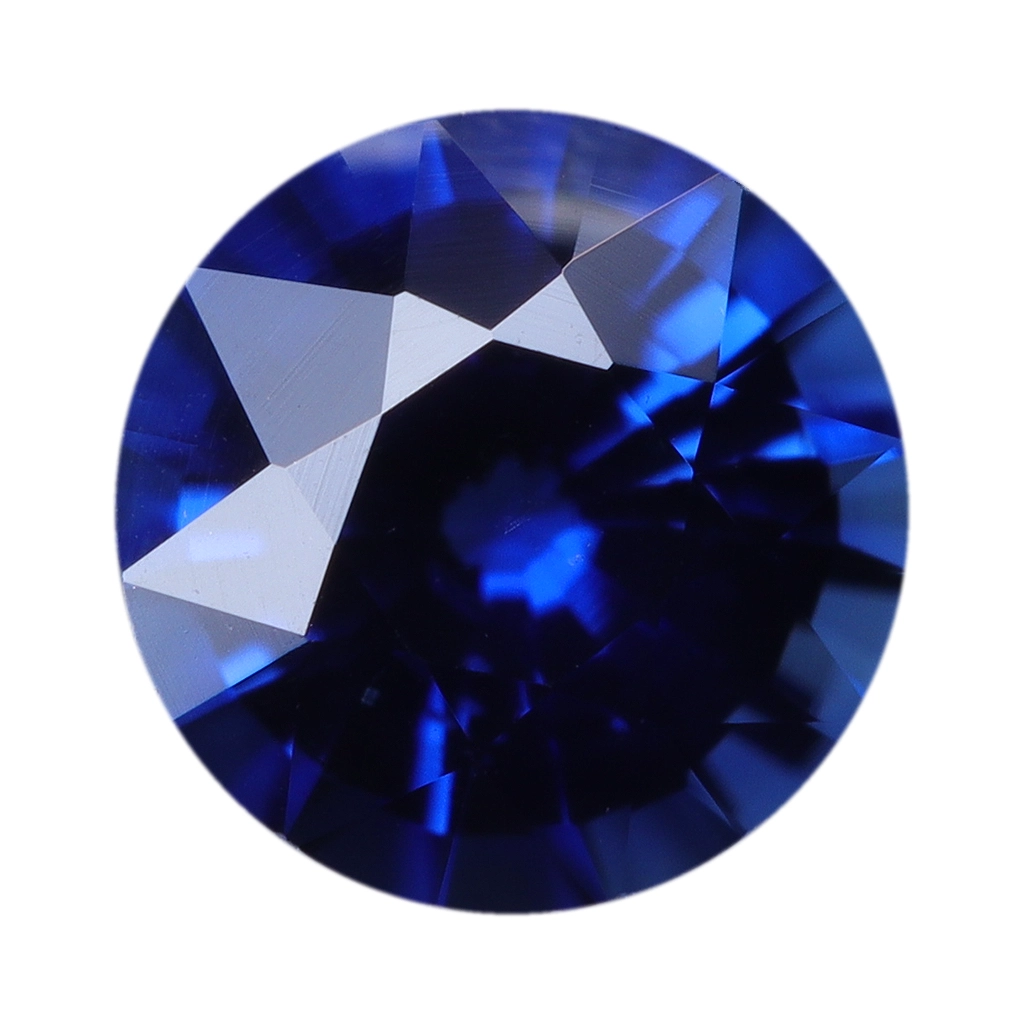
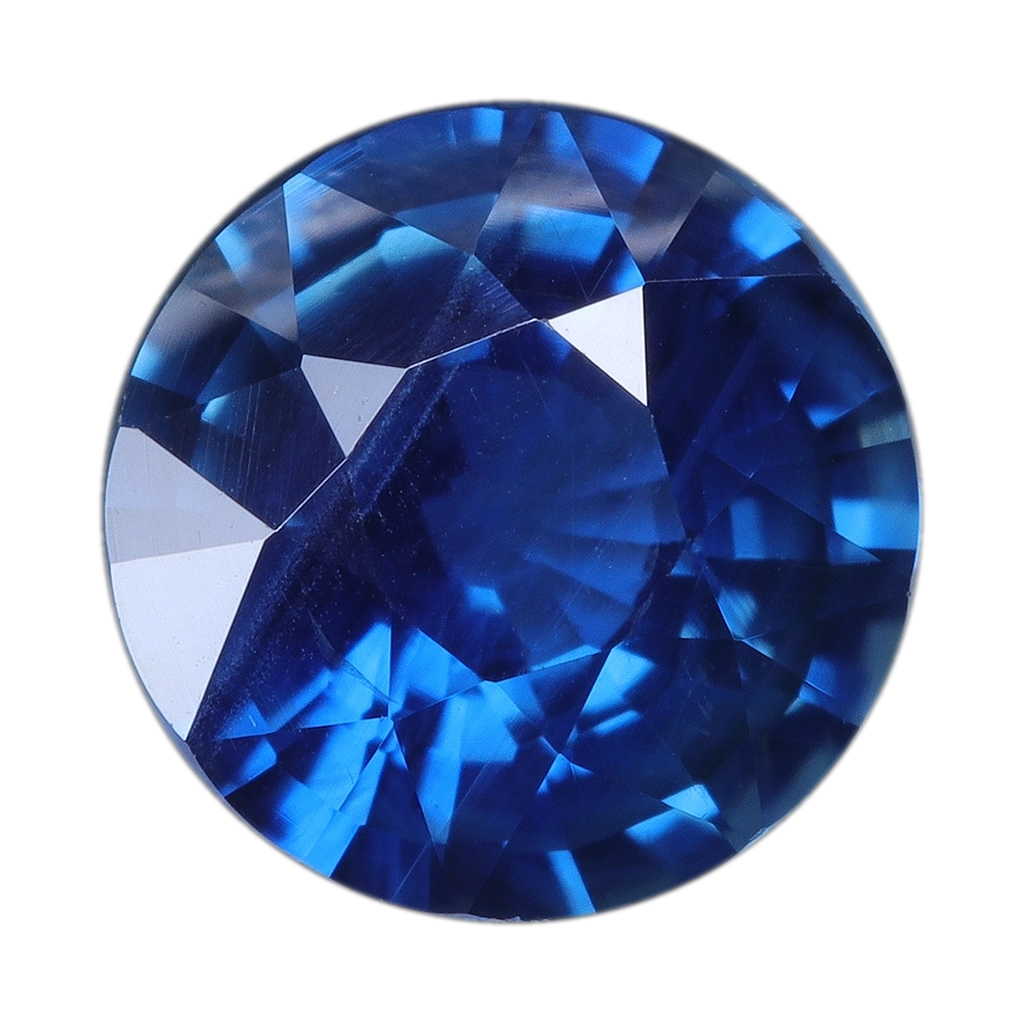
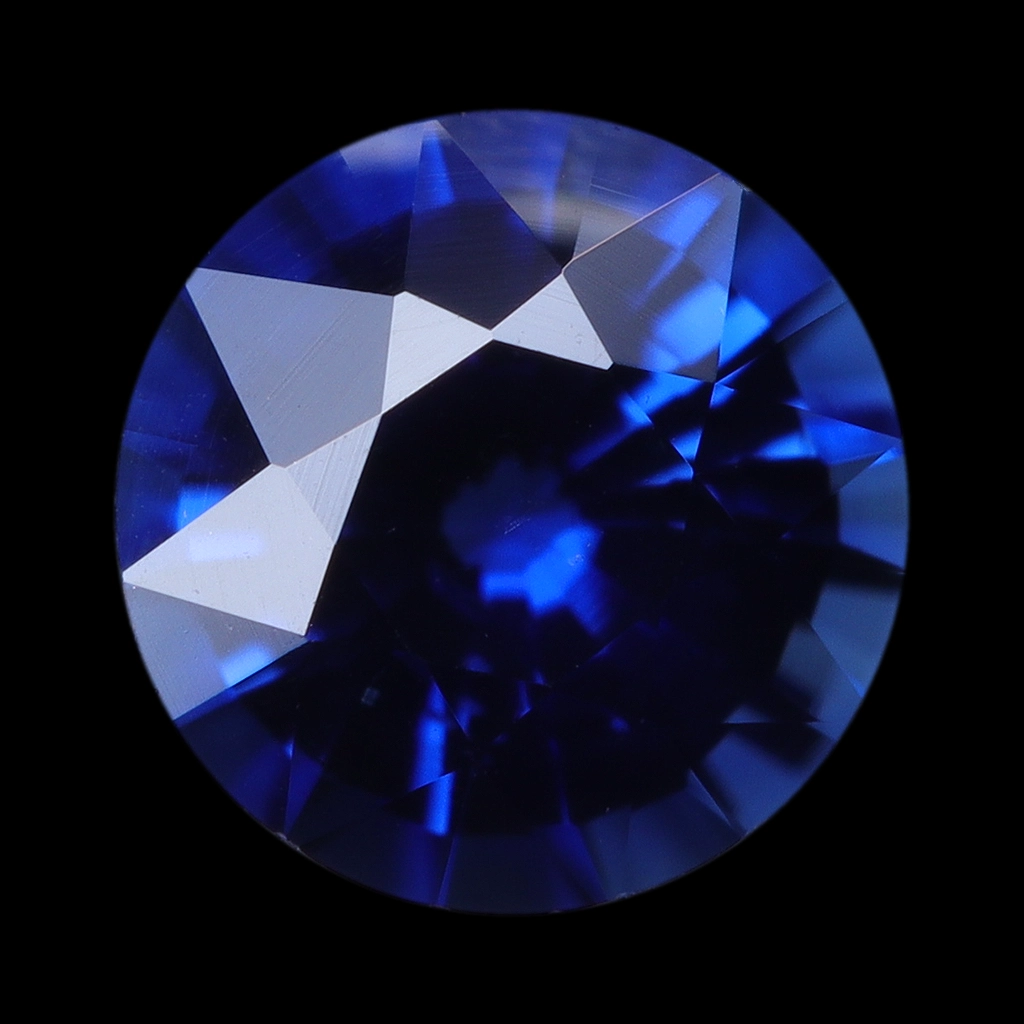
Blue sapphire, the most well-known variety, owes its color to the presence of iron and titanium. The most sought-after stones display an intense, slightly velvety blue, with a medium to medium-dark tone and high saturation.
Sapphires that are too dark or too light generally lose value on the market.
Fancy sapphires
Fancy sapphires offer a remarkable diversity of colors.
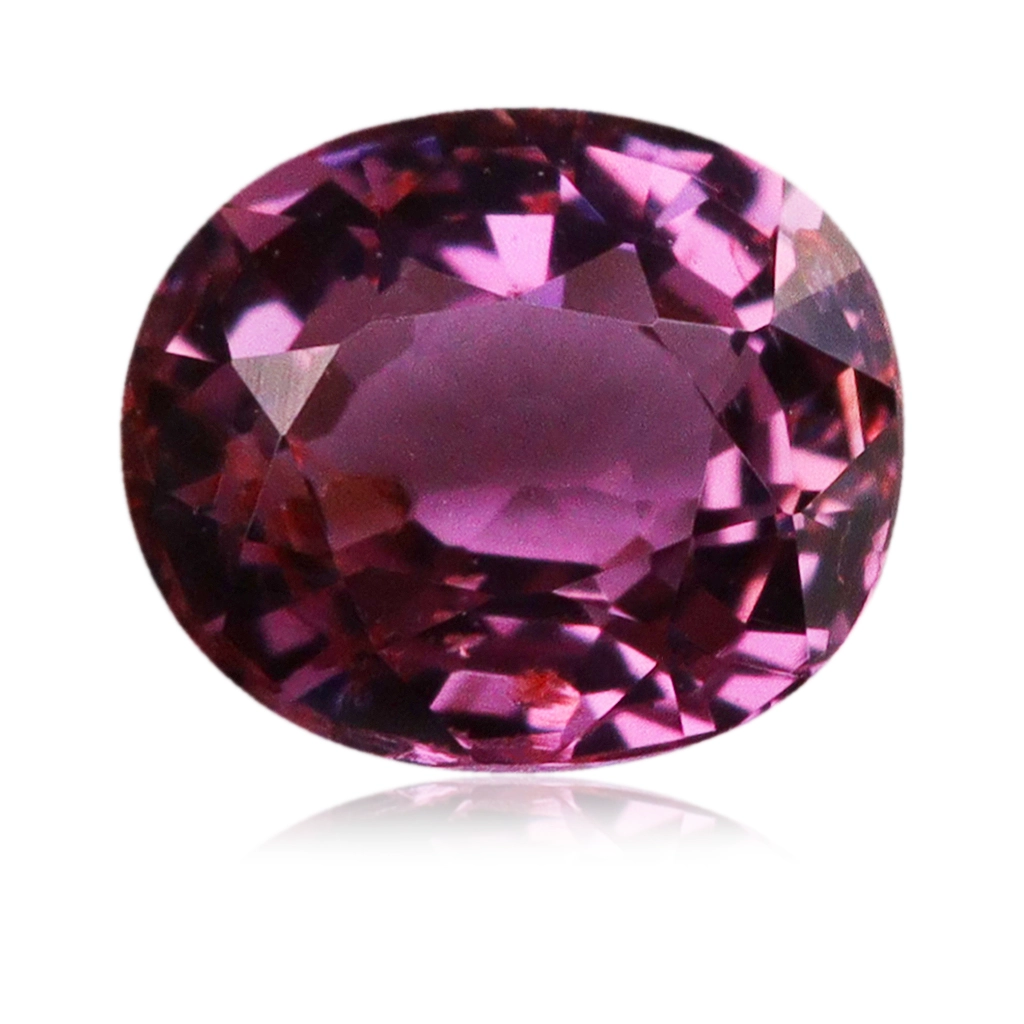
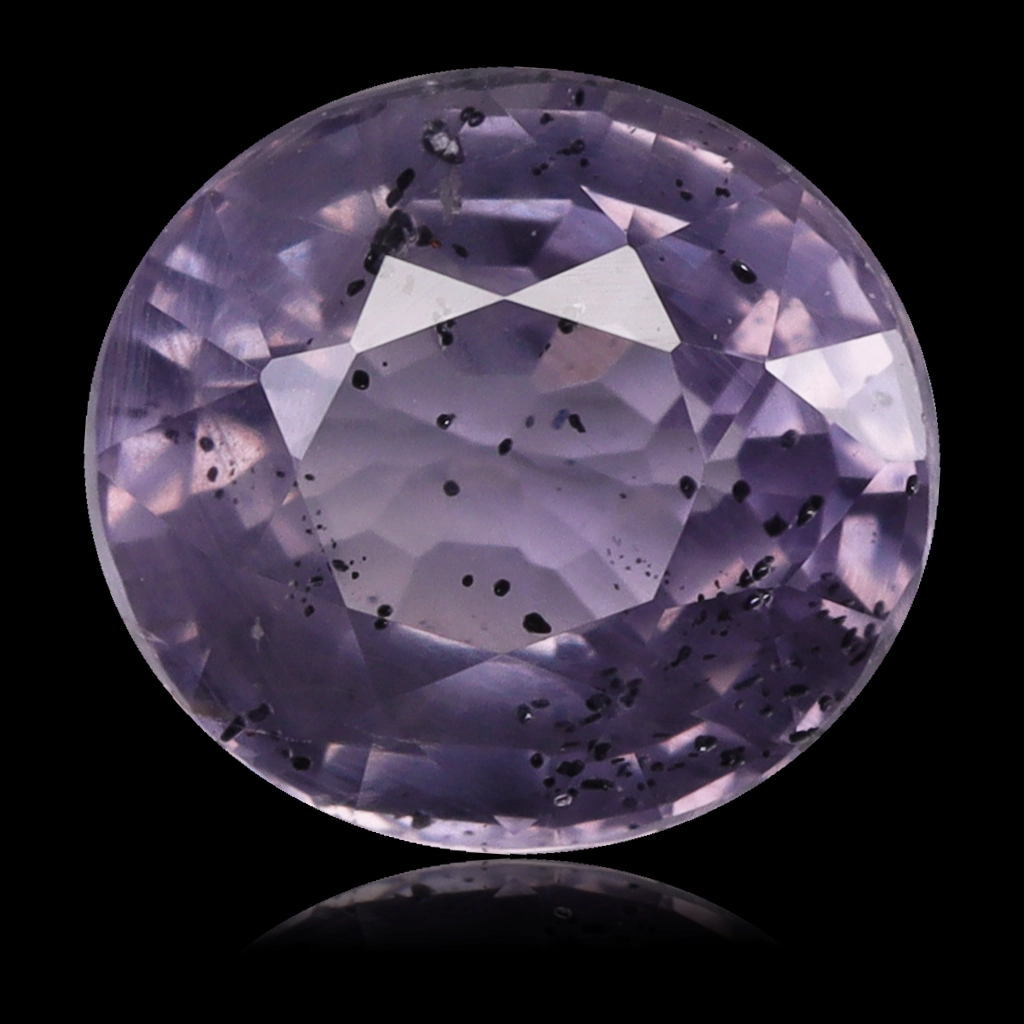
Pink sapphires, colored by chromium, are particularly sought after when they exhibit intense saturation. Yellow and orange sapphires, linked to iron, vary in popularity depending on market trends and the characteristics of the stone. Green sapphires are more common but generally less valued, while violet sapphires remain more discreet in comparison to competing stones such as amethyst.
Padparadscha sapphires
Padparadscha is one of the rarest and most prestigious colors on the market. Its unique color, lying between pink and orange, evokes a tropical sunset. The finest stones display a subtle balance between the two hues, without either one being overly dominant.
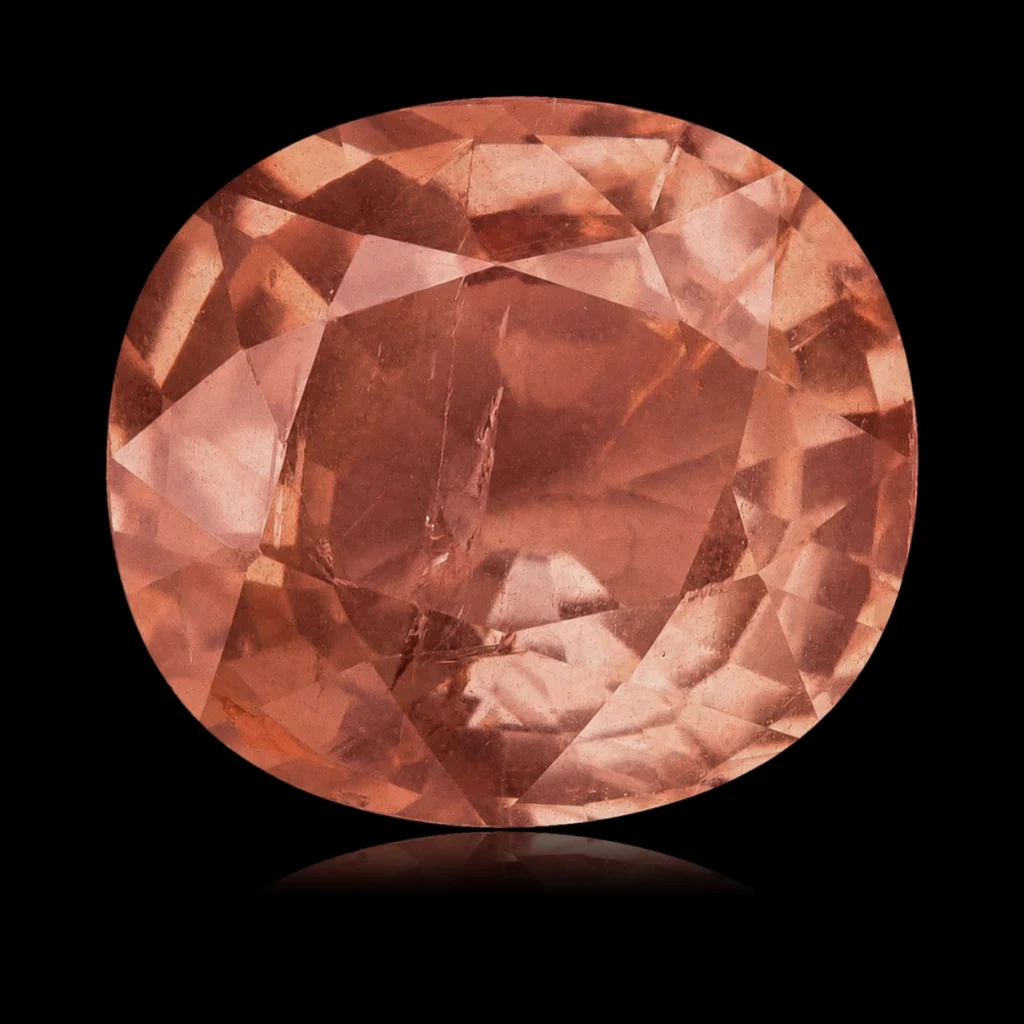
Genuine natural unheated Padparadscha sapphires are among the most sought-after sapphires in the world.
Optical Phenomena
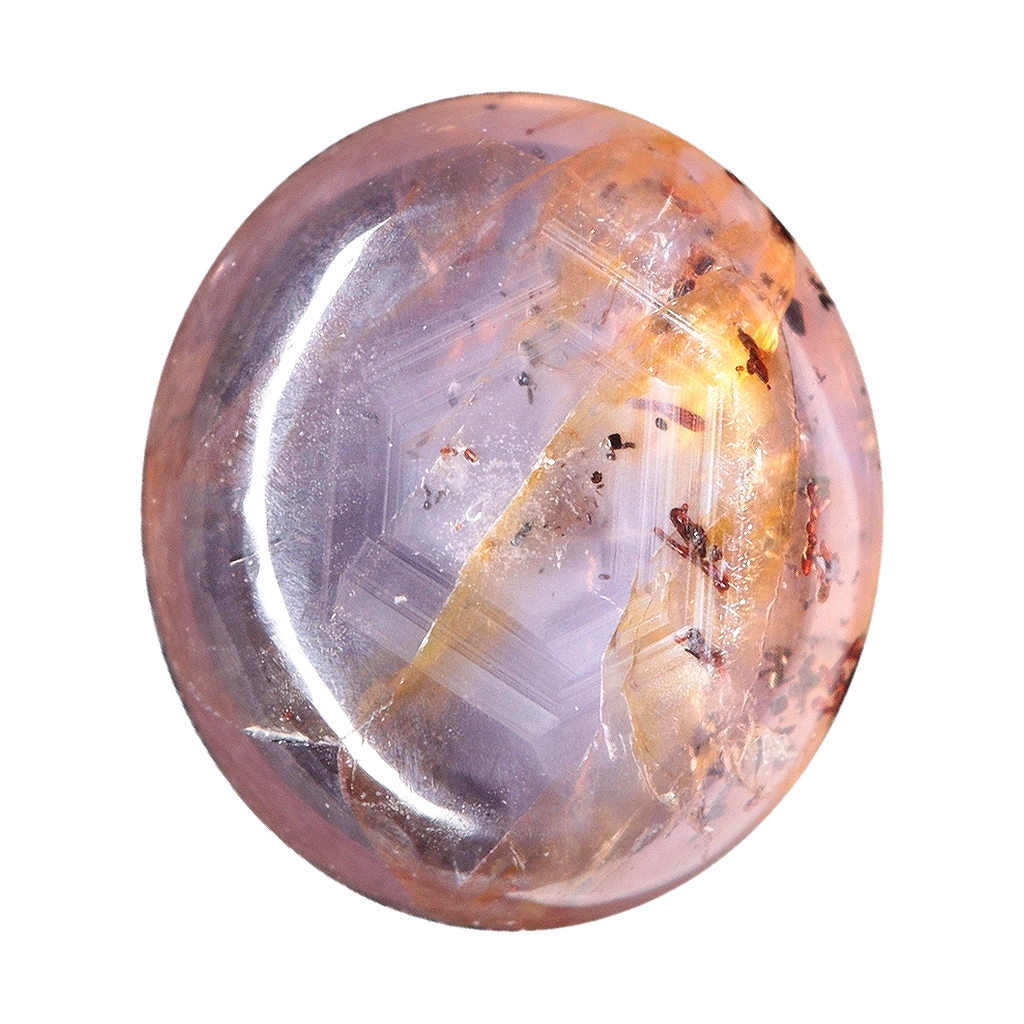
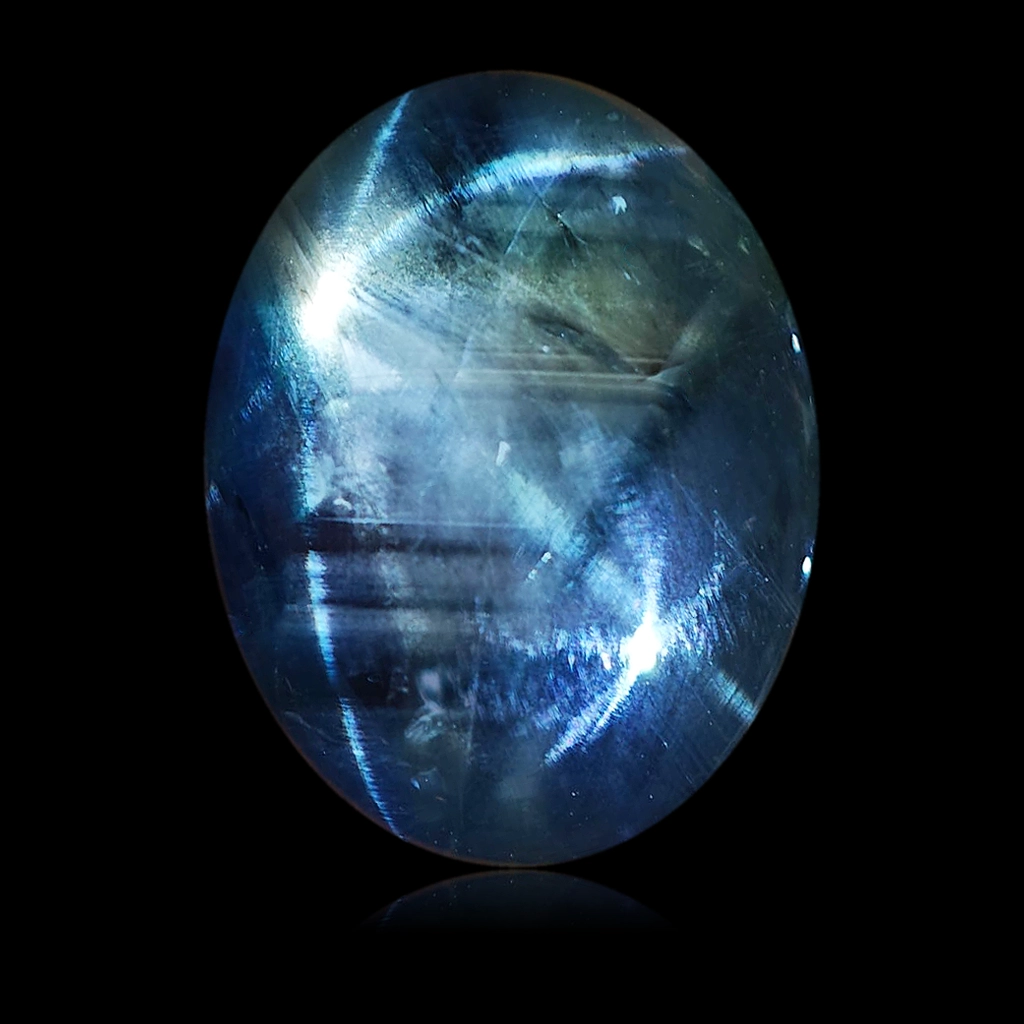
Some sapphires exhibit remarkable optical phenomena. For example, star sapphires display a star on the surface of the stone, caused by rutile inclusions arranged in a specific orientation.
Color-change sapphire, on the other hand, alters its appearance depending on the lighting, a phenomenon related to the presence of certain trace elements.

0.75 carat color change sapphire © Arvernes-Gemmes 0.75 carat color-change sapphire © Arvernes-Gemmes
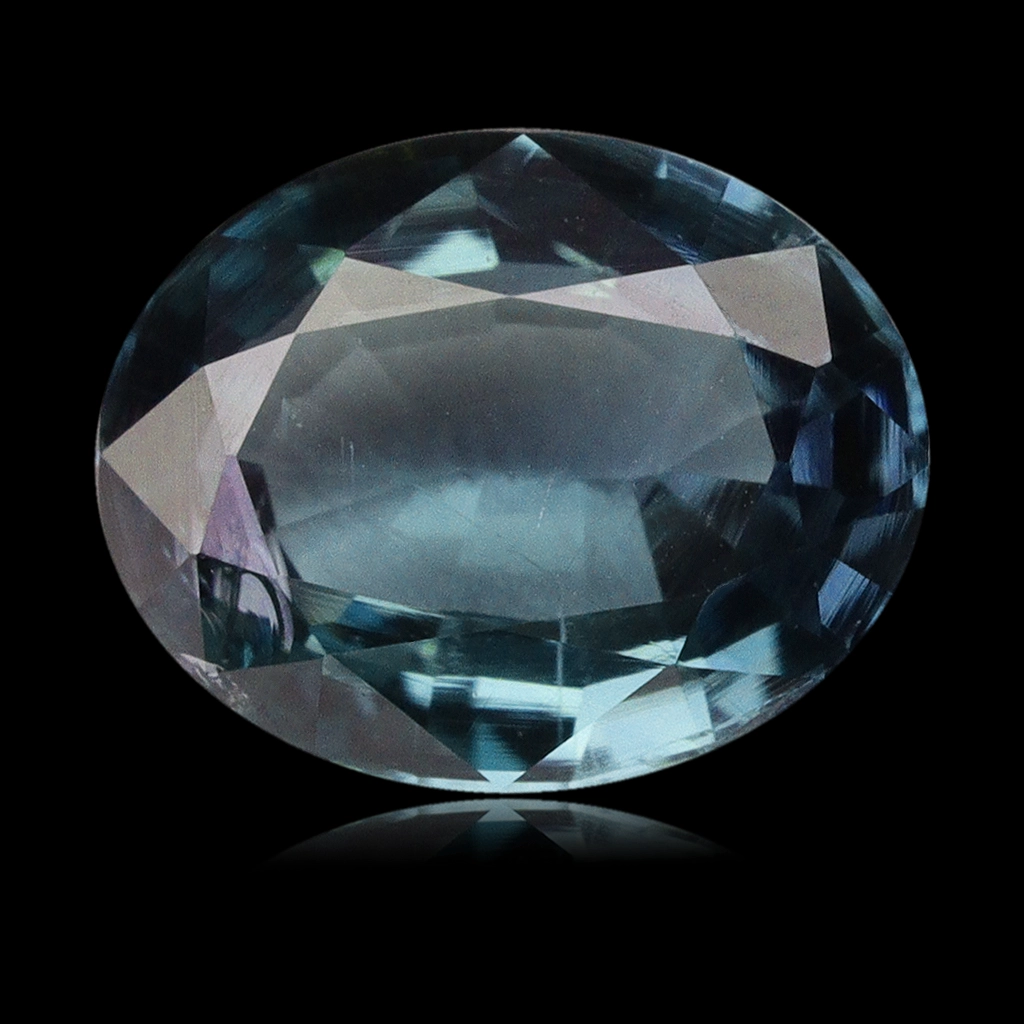
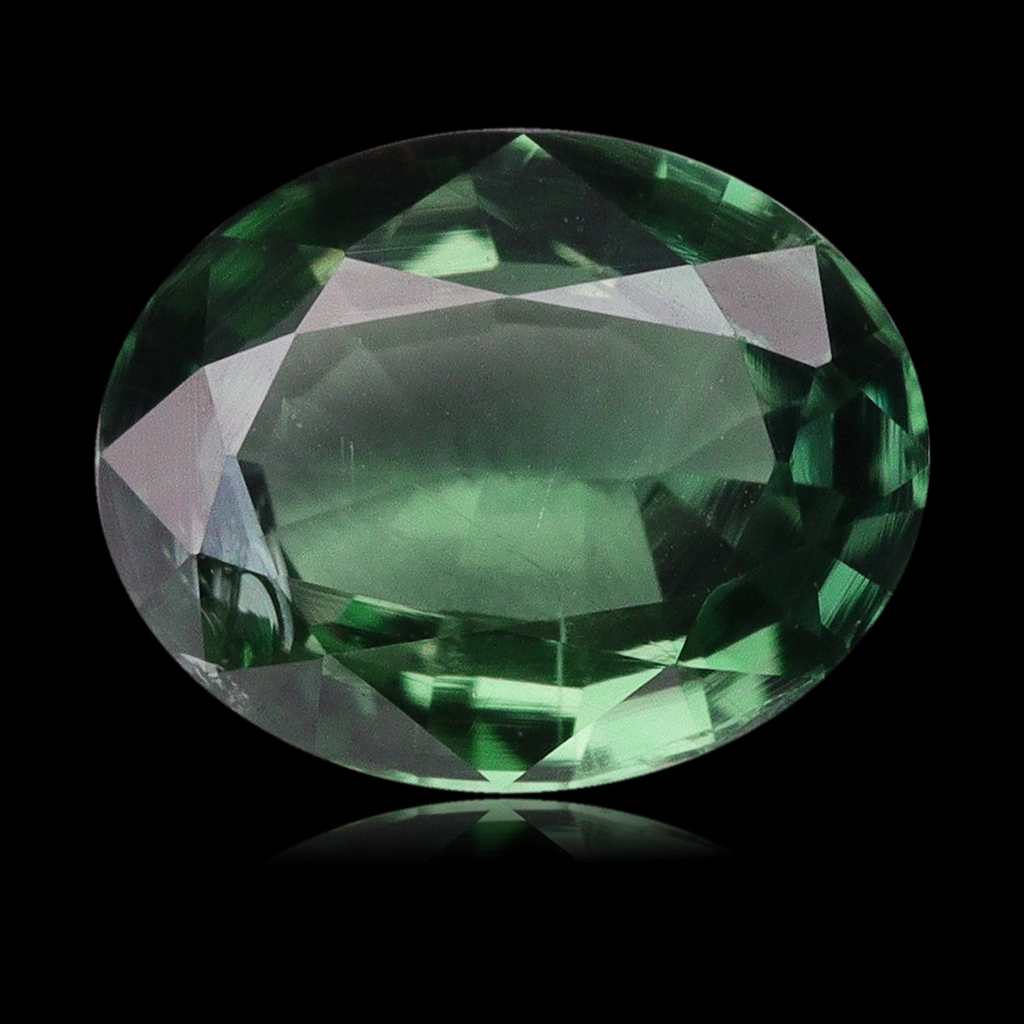
These varieties remain rare and are especially prized by collectors.
Polychrome sapphires (Parti sapphires)
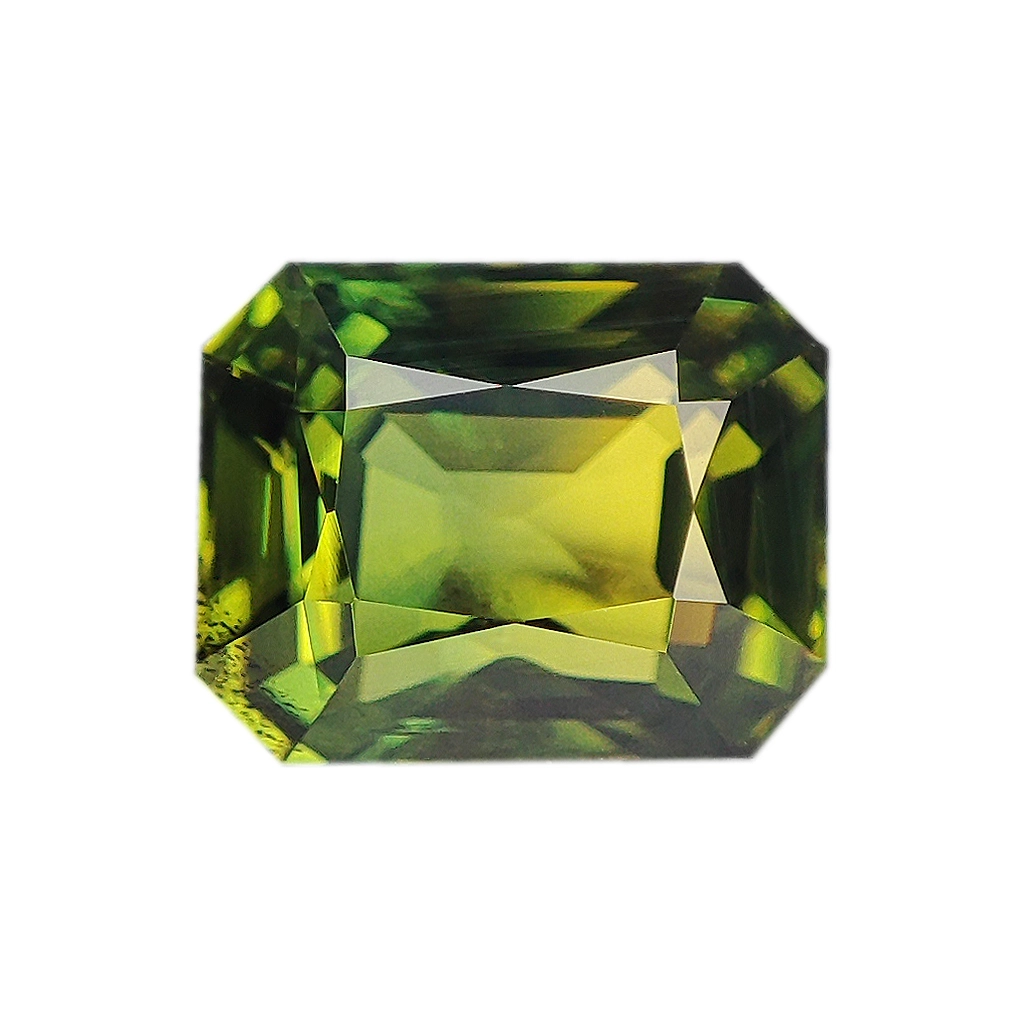
Some sapphires naturally display multiple colors within a single stone. These are known as polychrome sapphires, also referred to as parti sapphires in gemological trade.
These gemstones most often show combinations of blue, green, and yellow, sometimes distributed in clearly defined zones. This characteristic results from chemical variations that occur during crystal growth.
Long considered atypical compared to traditional market standards, polychrome sapphires are now generating growing interest in contemporary jewelry for their unique appearance and their character, which is often impossible to replicate from one stone to another.
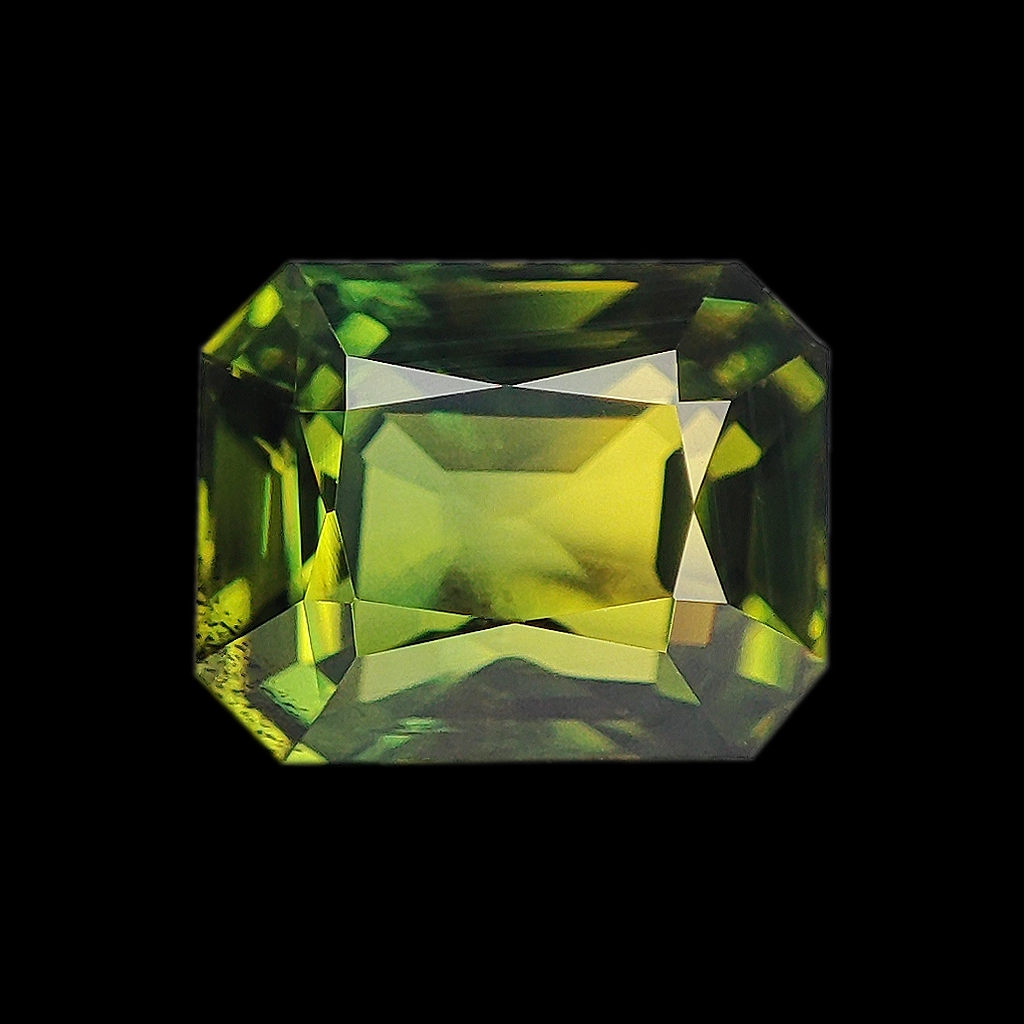
The cutting orientation plays an essential role for these gemstones, as the lapidary aims to highlight the balance and distribution of the different colors present in the stone.
The main deposits producing polychrome sapphires are located notably in Australia, Madagascar, and more occasionally in Sri Lanka.
Price and Value of Sapphire
The value of a sapphire is based primarily on its color. A pure, balanced, and well-saturated hue alone can explain very large price differences between two stones of similar weight.
The other criteria come into play afterward in the evaluation:
- clarity,
- cut quality,
- carat weight,
- origin,
- any treatments,
- and the overall rarity of the gemstone.
Clarity
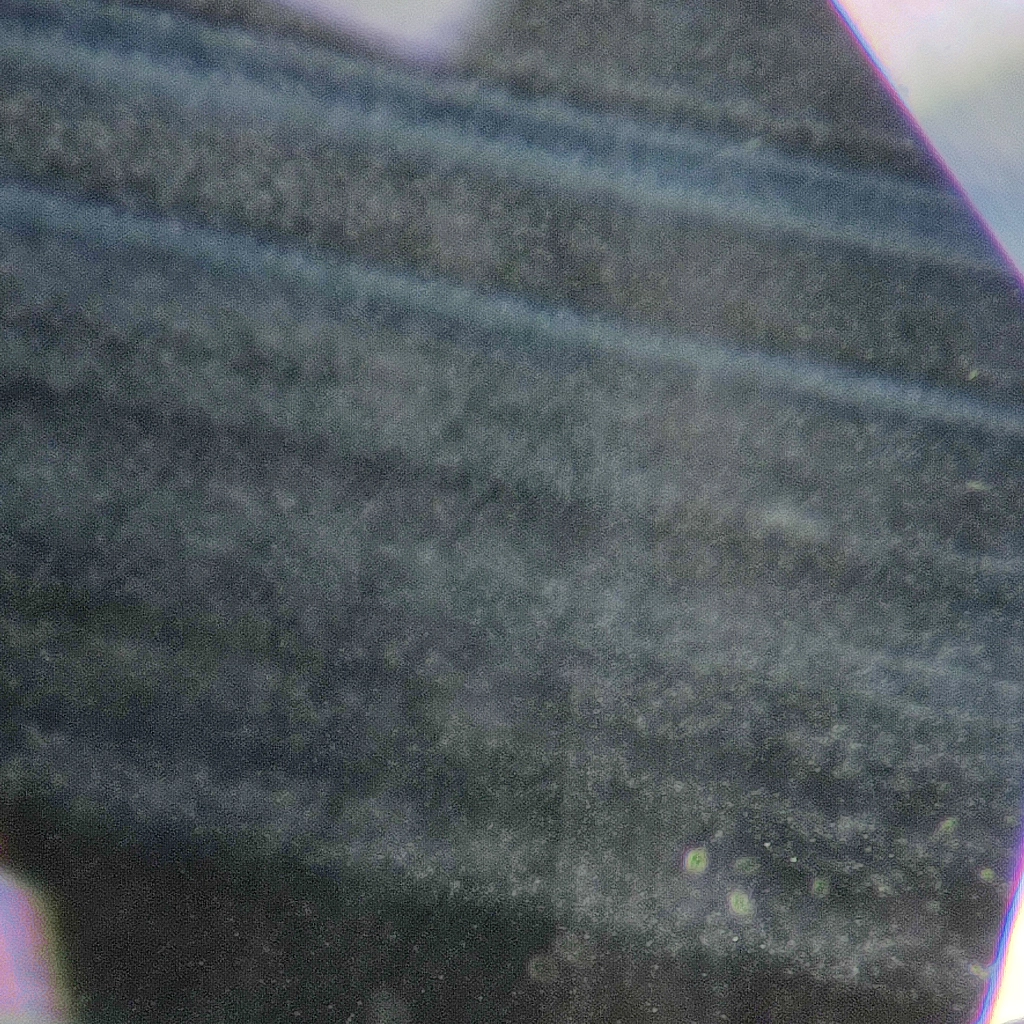
Inclusions are common in sapphires and are generally tolerated. Their impact depends mainly on their nature, position, and visibility.
Some inclusions can even be desirable, such as the famous “silk” in Kashmir sapphires, which contributes to their characteristic velvety appearance.
Carat weight
Large sapphires are more common than rubies. However, high-quality sapphires exceeding several carats, with excellent color and good transparency, become particularly rare.
Geographical origin
Origin strongly influences market perception. It is primarily a factor of reputation, historically built around certain deposits.
Kashmir sapphires remain legendary and extremely rare. Those from Myanmar are renowned for their intensity, while Sri Lanka is famous for its bright and varied sapphires. Today, Madagascar and East Africa dominate a large part of modern supply.
Unheated sapphires
Natural unheated sapphires are among the most sought-after stones in the high-end market. At equivalent quality, they can reach significantly higher values than heated stones, especially when they originate from renowned deposits.
Natural Formation of Sapphire
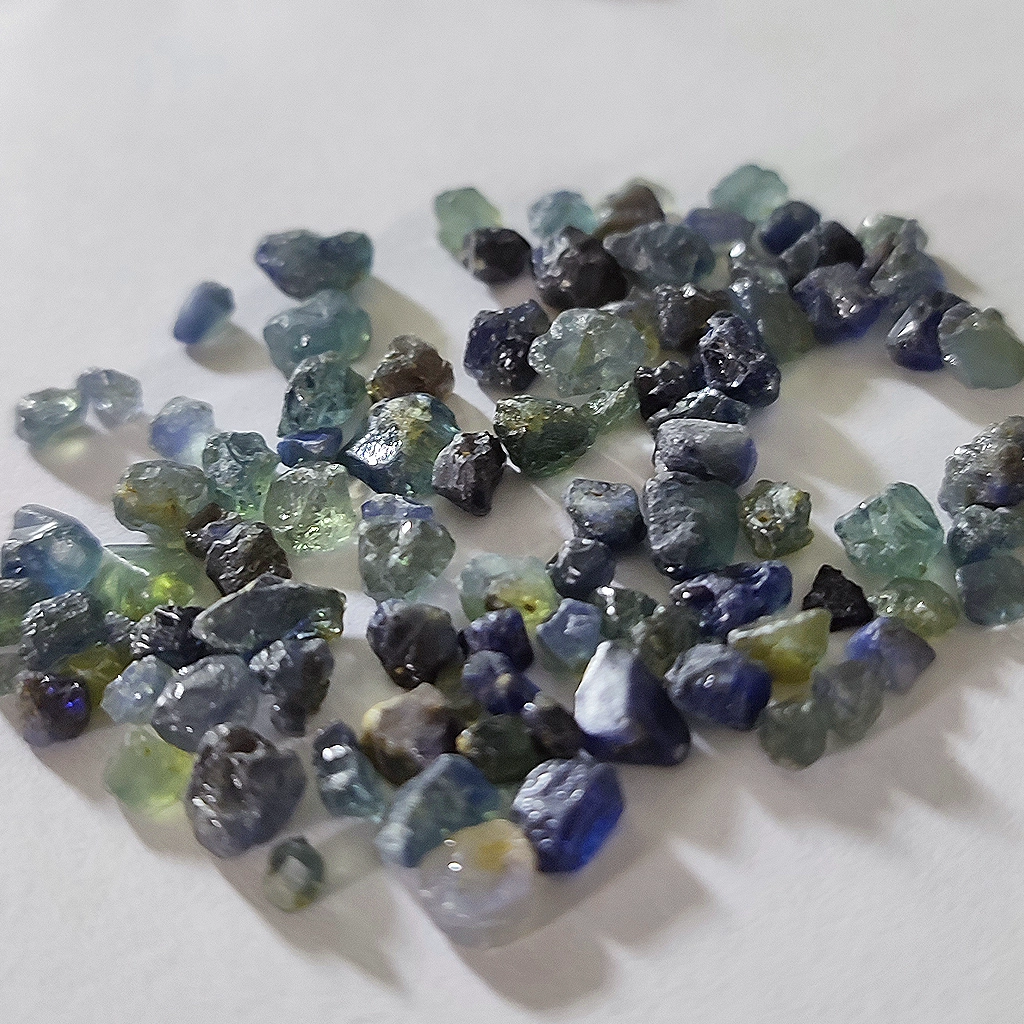
Sapphire forms under a variety of geological conditions. It is found in magmatic and metamorphic rocks, as well as in alluvial deposits resulting from erosion.
Basaltic-origin sapphires, formed in volcanic environments, contain more iron, which often gives them darker tones.
In contrast, sapphires formed in metamorphic environments generally display finer and more sought-after colors.
Sapphire is found in the form of prismatic crystals, barrel-shaped crystals, or rounded grains in alluvial deposits. These secondary deposits constitute the main sources of modern mining.
Sapphire Enhancements
The vast majority of sapphires available on the market have undergone treatment.
Heat treatment
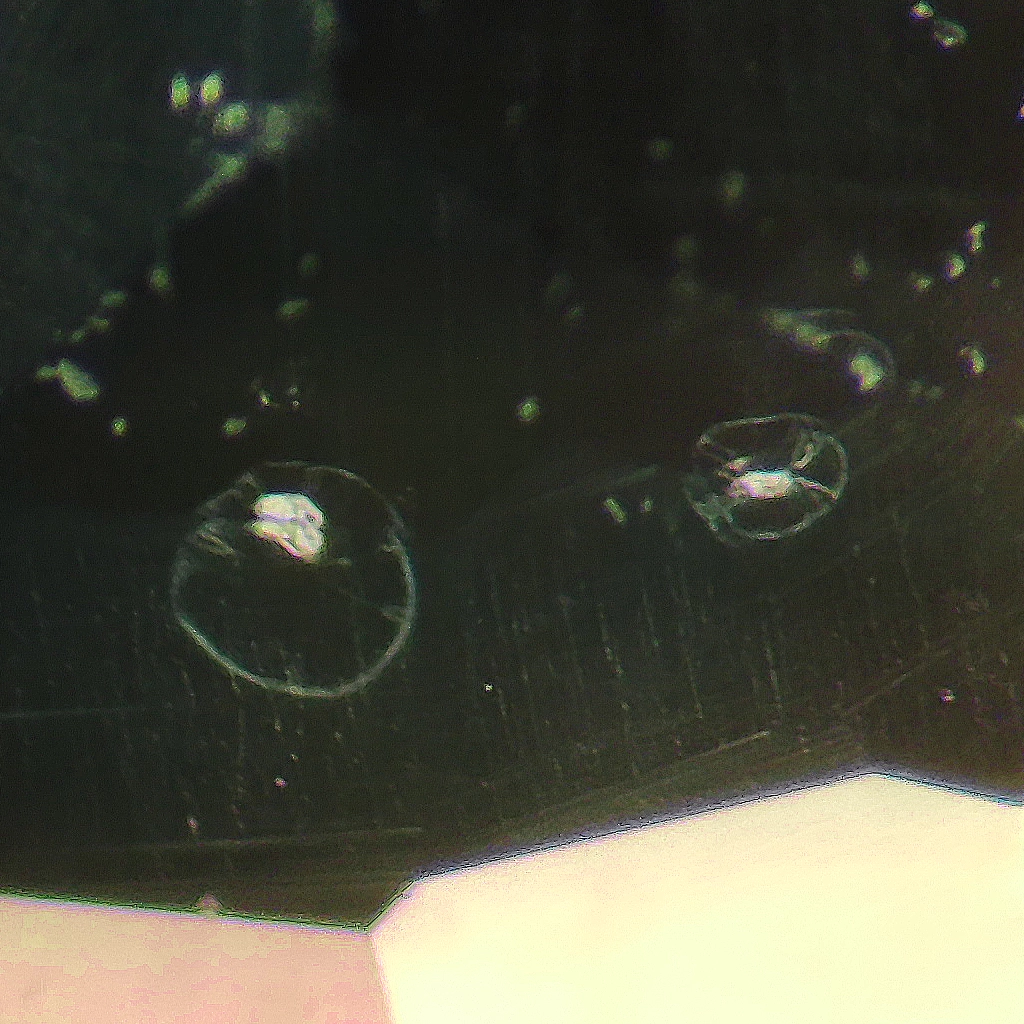
Heat treatment is the most common and widely accepted treatment in the gemstone trade. It improves color and clarity in a stable and permanent way.
Diffusion
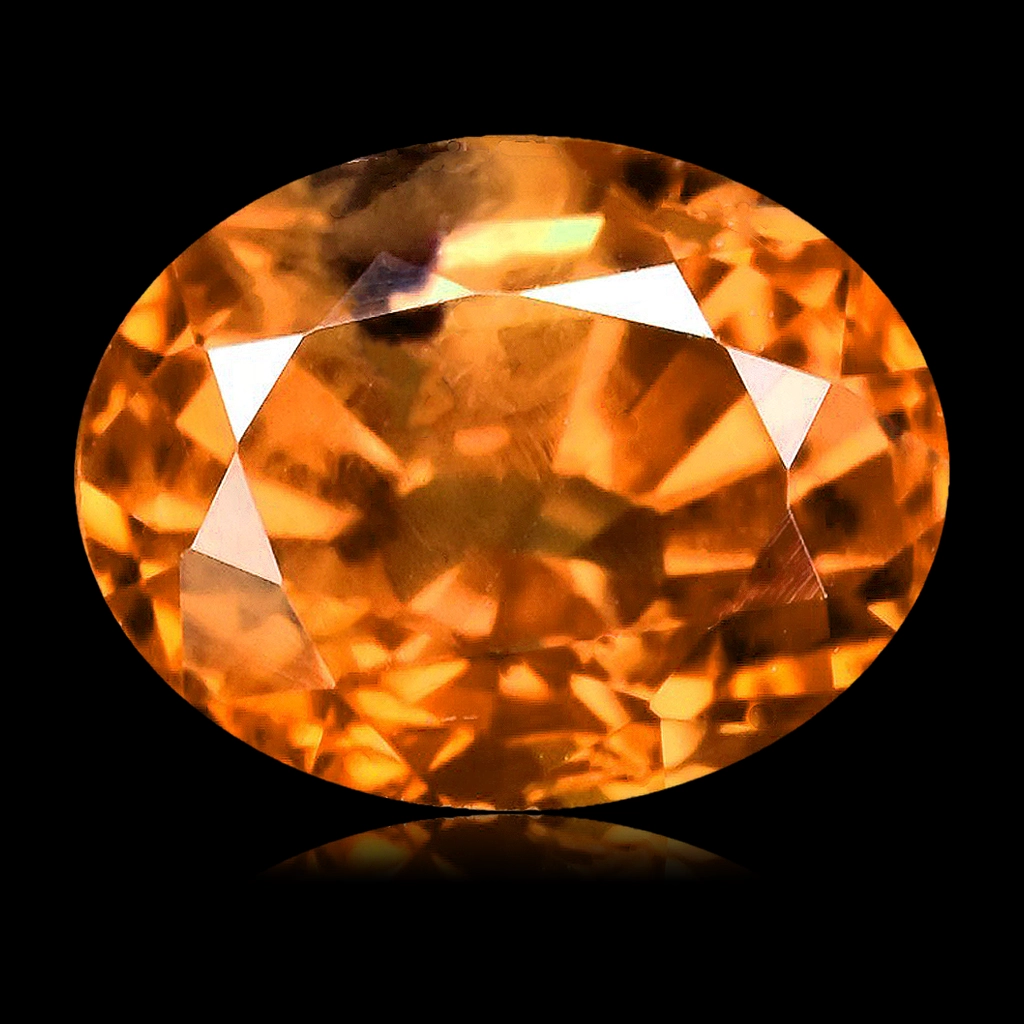
Diffusion involves altering the color of a sapphire by introducing certain chemical elements. These stones are significantly less valued on the market.
Fracture filling
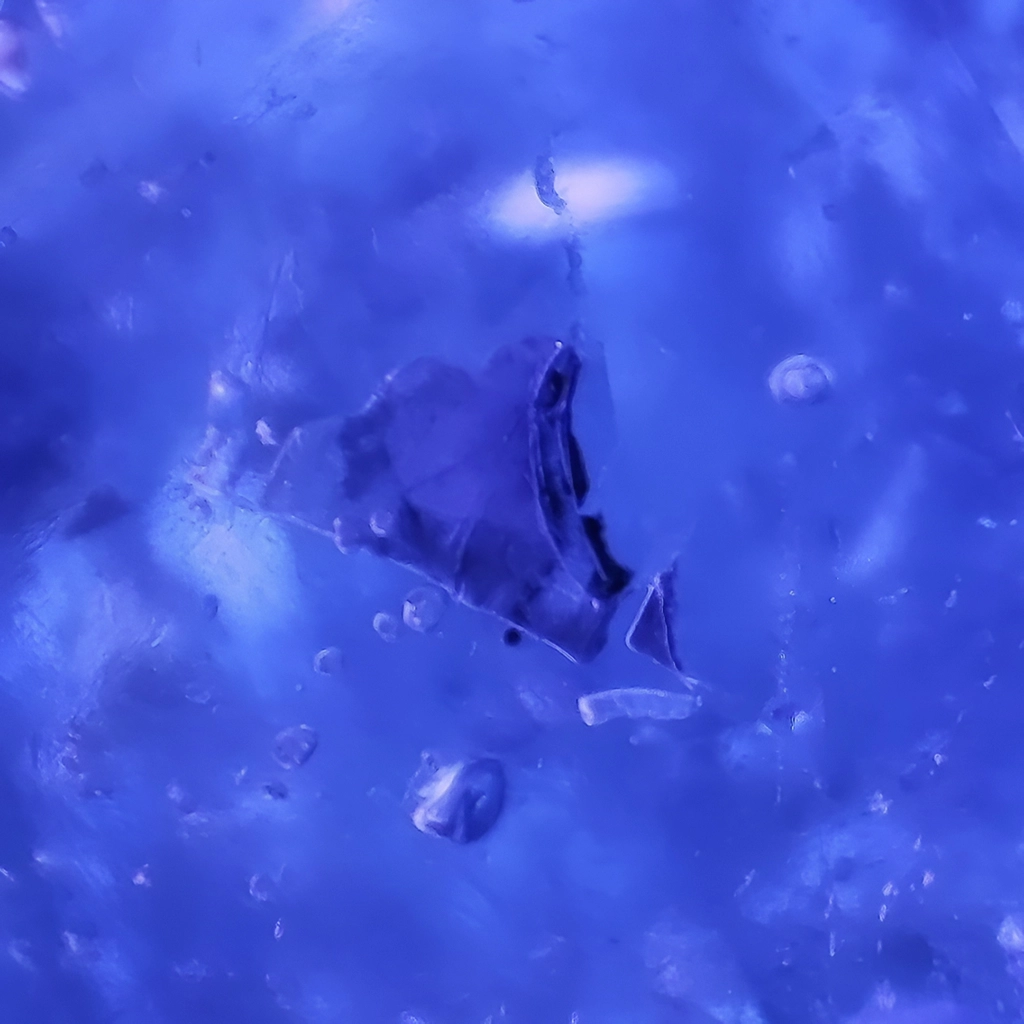
Fracture filling, often carried out using lead glass in the case of corundum, improves the visual appearance of the stone but significantly reduces its value and durability.
Treatments that are difficult to detect
Some modern processes, such as beryllium diffusion, require advanced laboratory analysis.
More broadly, the seller’s transparency regarding applied treatments is essential in the gemstone trade. We therefore advise against purchasing a gemstone from a seller who does not systematically disclose any potential treatments. Conversely, when a stone has not undergone any treatment, this information must also be clearly stated in order to avoid any ambiguity.
Synthetic sapphires
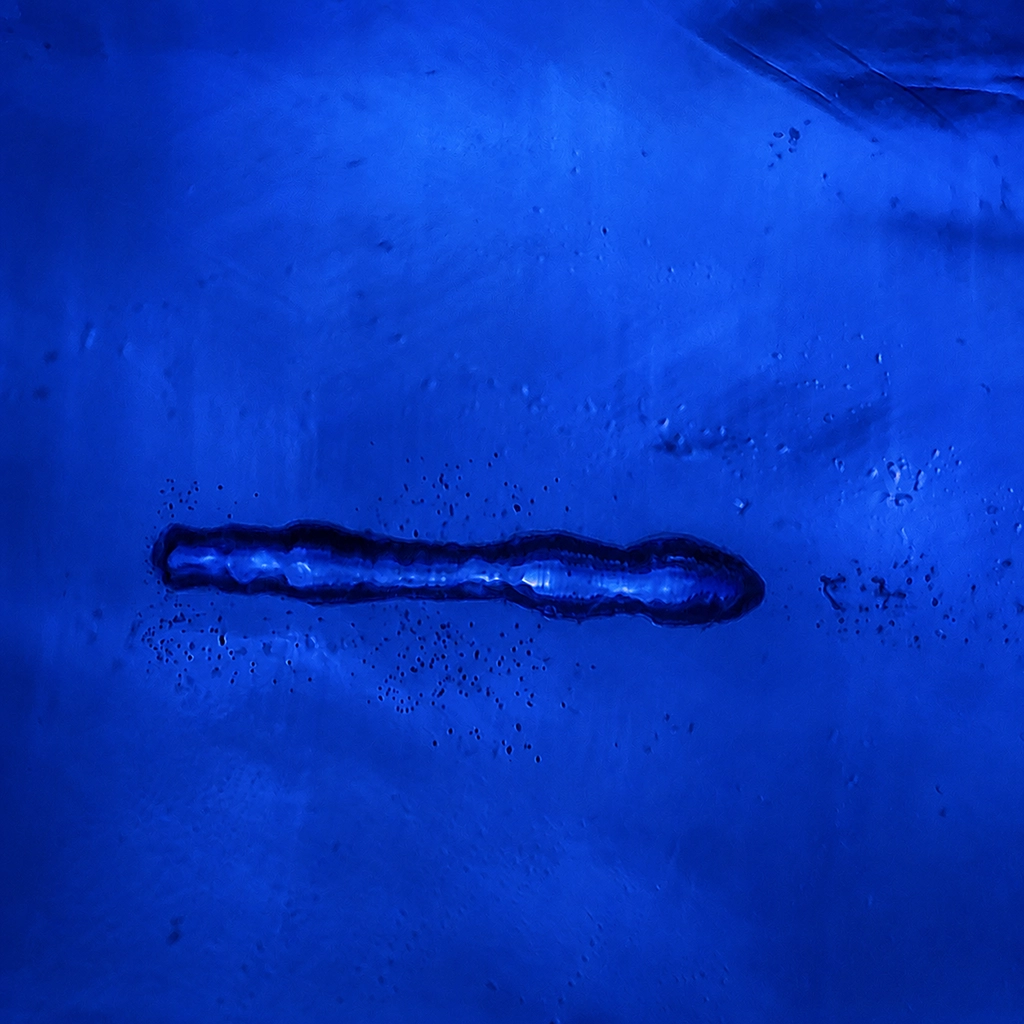
Synthetic sapphires have been produced in laboratories since the early 20th century. The flame-fusion method (Verneuil) remains the most widely used. It allows the production of very pure stones, recognizable by their curved growth lines and the presence of microbubbles.
Other techniques such as the Czochralski method or flux growth make it possible to obtain very high-quality crystals. Some synthetic stones can be difficult to distinguish from natural sapphires without in-depth gemological expertise.
These materials are widely used in industry and mass-market jewelry, although their value remains much lower than that of natural sapphires.
Imitations & scams
The sapphire market includes many imitations, some of which can be visually very convincing. Glass and synthetic spinel are among the most common substitutes.
Other deceptive practices also exist:
- coating of crystals,
- dyeing,
- assemblies,
- undisclosed treatments.
Gemological expertise is often still required to distinguish a natural sapphire from an imitation or a stone that has been complexly treated. Purchasing from reliable and transparent professionals remains essential. Thus, at Arvernes-Gemmes, we verify for you the authenticity of each gemstone we offer for sale, in our capacity as gemologists.
Why a gemological certificate is important
For high-value sapphires, an independent gemological certificate is an essential element.
It notably makes it possible to confirm:
- the authenticity of the stone,
- its natural origin,
- any treatments,
- sometimes its geographical origin,
- and, where applicable, to facilitate the resale of an investment gemstone.
Specialized laboratories now play a central role in the high-end gemstone and collector stone market.
The geographical origins of sapphire.
The geographical origin of a sapphire plays an important role in its perception and positioning on the market, as well as in its value, although color remains the primary criterion. Certain sources have become legendary because of the exceptional quality of the gems they have produced. That said, origin remains above all a matter of reputation: it is not, in itself, a systematic guarantee of quality.
Kashmir
Sapphires from Kashmir hold a unique place in the world of precious stones. Discovered at the end of the 19th century in the Zanskar Valley (Indian Himalayas), they are renowned for their incomparable velvety blue color.
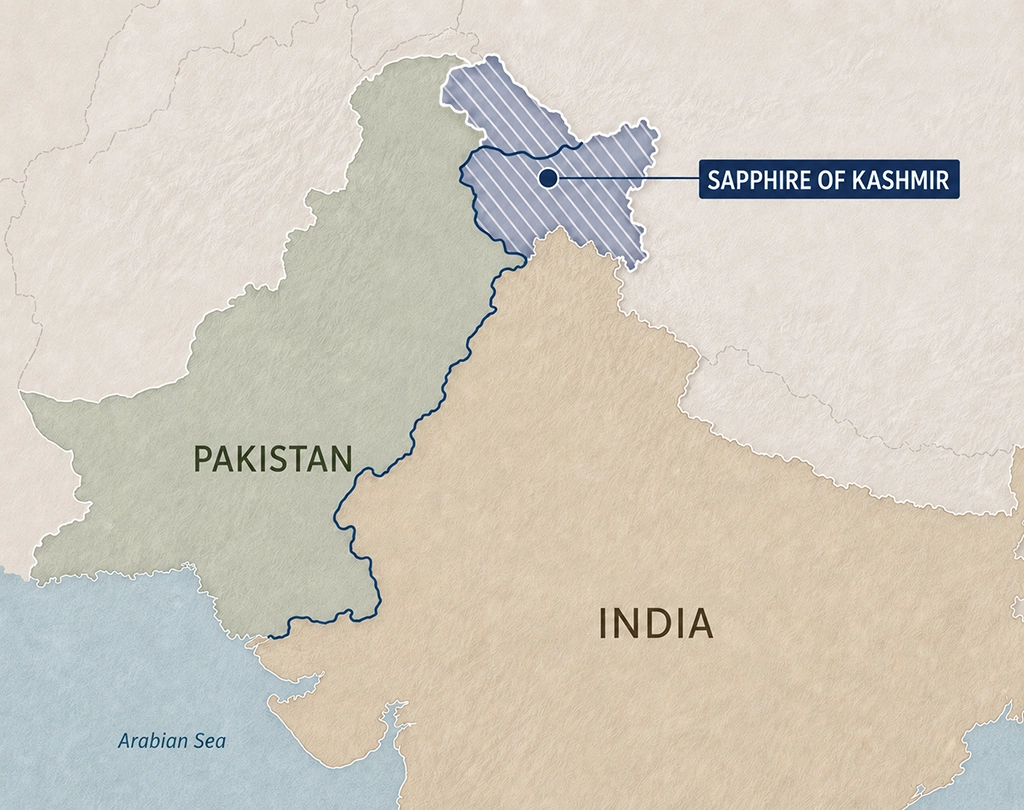
As their mining period was very short, they are now among the rarest and most sought-after stones on the market.
Myanmar
Myanmar (formerly Burma) is renowned for producing sapphires with highly intense color.
Some stones display exceptional characteristics that are particularly sought after in high jewelry.
The deposits are located in the north of the country, in the Mogok region, which is also world-renowned for its rubies.

Geographical Location of Mogok © Arvernes-Gemmes
Sri Lanka (Ceylon)
Sri Lanka is one of the oldest historical sources of sapphires.
The regions of Ratnapura and Elahera are renowned for their rich and varied gem-bearing alluviums.
Sri Lanka sapphires are often distinguished by bright colors, good transparency, and the presence of rare varieties such as Padparadscha.

Geographical location of Ratnapura and Elahera © Arvernes-Gemmes
Madagascar and East Africa
Since the end of the 20th century, Madagascar has become a major player in the global sapphire market. East Africa, notably Tanzania and Kenya, also supplies a wide diversity of colors and qualities. These new sources have profoundly transformed the modern market.
Australia
Australia is among the world’s leading producers of sapphires by volume and has a long mining tradition. Australian sapphires are often distinguished by a higher iron content, which can subtly influence their colors.
Although this origin is associated, on average, with darker tones, it also produces very fine stones with balanced colors and good vibrancy. As with any deposit, quality naturally varies from stone to stone, and each sapphire should first and foremost be appreciated for its own characteristics.
France and other confidential origins
Historical deposits also exist in France, notably in Haute-Loire and more broadly in the Massif Central, although their quality remains highly variable. These stones bear witness to an ancient gemological heritage that is often overlooked.
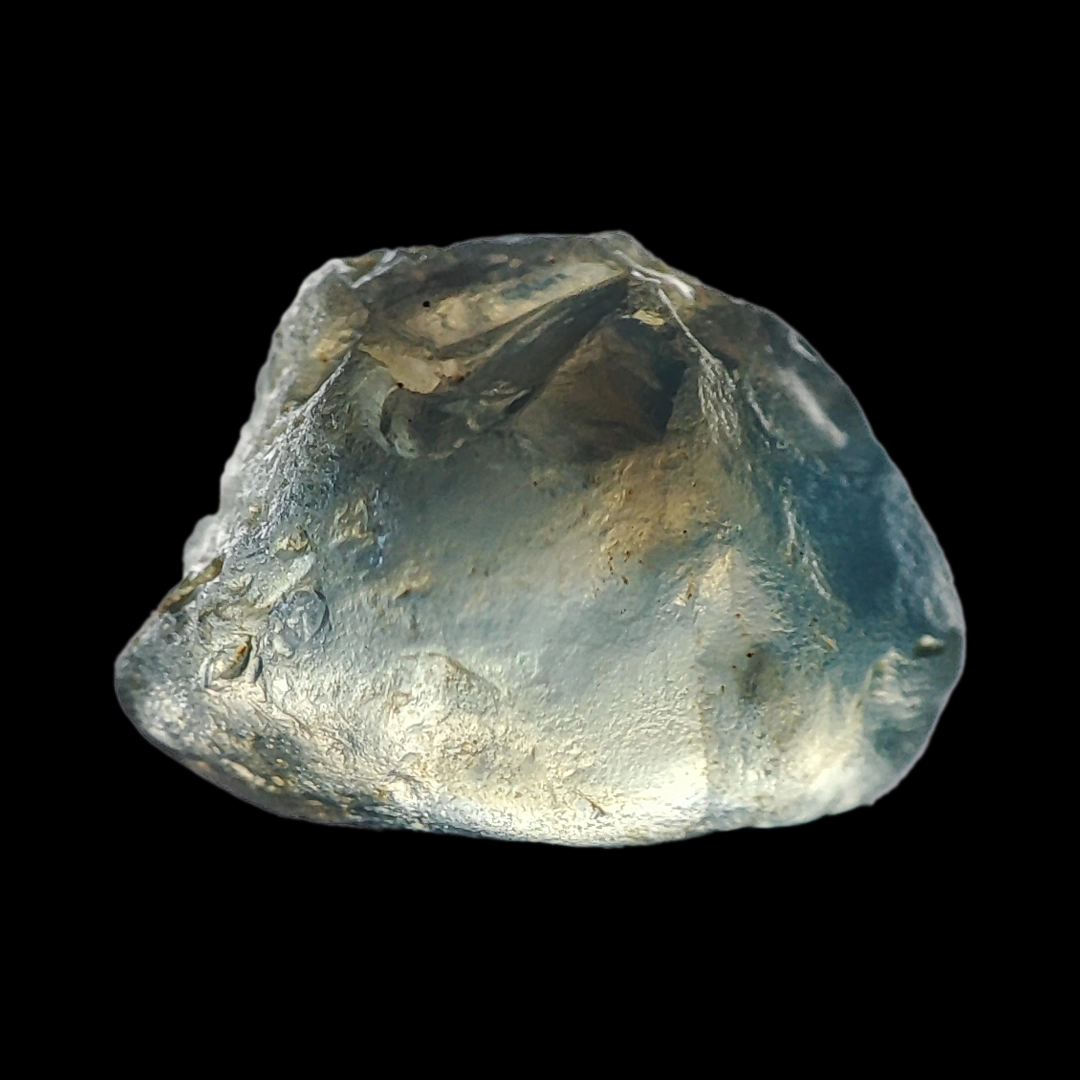
In the United States, notably in Montana, some untreated sapphires are also attracting growing interest.
Sapphire as a collector’s gemstone
Certain categories of sapphires are generating growing interest among collectors and enthusiasts of rare gemstones.
The most sought-after stones include in particular:
- unheated sapphires,
- historical origins,
- rare colors,
- large sizes,
- optical phenomena,
- and gemstones accompanied by recognized certificates.
The natural rarity of fine-colored gemstones contributes to maintaining strong demand in the high-end market.
Care and cleaning of sapphire
Sapphire is a durable stone, but regular care helps preserve its brilliance over time.
Cleaning with lukewarm water is sufficient in most cases. It is preferable to avoid harsh chemical products, especially for stones that have undergone certain treatments. Ultrasonic cleaning may be used with caution, but it should be avoided for weakened stones. Separate storage is also recommended in order to prevent scratches on other gemstones.
Furthermore, when sapphire is set in a piece of jewelry containing several different types of stones, cleaning methods may vary depending on the gemstones present. Some stones are more sensitive to heat, ultrasonic cleaning, or cleaning agents, and inappropriate cleaning could damage them.
It is therefore advisable to have this procedure carried out by a professional, such as a jeweler, who has the appropriate equipment and techniques to clean the stone safely.
Symbolism and history of sapphire
Sapphire has a rich history, deeply rooted in cultures around the world. Its name comes from the ancient Greek “sappheiros,” itself derived from a Semitic origin. In ancient traditions, it was associated with wisdom, protection, and purity. Various spiritual and medicinal virtues were attributed to it. Ancient texts, such as certain Indian accounts of the Ramayana, mention its mythical creation. In medieval Europe, it frequently adorned religious objects and symbolized faith and truth. In France, sapphires from Haute-Loire were already used in antiquity and the Middle Ages, reflecting an early interest in this stone. Today, sapphire is still associated with commitment, fidelity, and timeless elegance.
FAQ – Frequently Asked Questions about Sapphire
How can you recognize a real sapphire?
A genuine natural sapphire has high hardness, typically natural inclusions, and specific optical properties observable in gemology. Purchasing a gemstone from transparent professionals remains essential.
What is the price of a sapphire?
The price of a sapphire varies depending on its color, clarity, weight, origin, and any treatments. Some stones remain affordable, while rare unheated sapphires can reach very high values.
At Arvernes-Gemmes, we are committed to offering gemstones at the best possible prices, both for professionals and private customers. Our short supply-chain model reduces the number of intermediaries between the source and the end client, thereby helping to maintain controlled pricing without compromising on quality.
This approach is accompanied by a deliberate control of our overhead costs and a rigorous selection of stones, in order to prioritize above all transparency, fair pricing, and gemological quality. Each sapphire is thus evaluated according to its own characteristics in order to offer a coherent balance between beauty, rarity, and value.
What is the best color for a sapphire?
There is no single absolute “best” color if one considers only objective criteria. In gemology, value depends primarily on the balance between color, saturation, and clarity.
However, certain colors such as royal blue or Padparadscha are historically more sought after due to their rarity.
Ultimately, the “best” color remains the one that offers the most beautiful visual balance for its intended use, particularly in jewelry.
What is the best origin for a sapphire?
Sapphires from Kashmir, Sri Lanka, and Myanmar are among the most renowned origins in the high-end market. However, geographical origin alone is not a guarantee of absolute quality. In general, color remains the most important criterion in evaluating a sapphire. Intensity, saturation, uniformity, and brightness have a greater influence on the stone’s value than its origin alone. Thus, a sapphire from a less prestigious source may display superior visual quality to a stone from a famous deposit.
Does a heated sapphire have less value?
At equal quality, yes, generally. Unheated sapphires are rarer and more sought after by collectors and the premium market.
Can a sapphire be worn every day?
Yes. Thanks to its hardness of 9 on the Mohs scale, sapphire is perfectly suitable for everyday wear.
What is the rarest sapphire color?
Padparadscha and royal blue are among the rarest and most sought-after colors. The finest natural unheated stones reach very high values.
Do synthetic sapphires have value?
Synthetic sapphires have a much lower value than natural stones. They are mainly used in industry and mass-market jewelry.